
Rhode Island Outpaces Neighbors in Solar Adoption, Yet Struggles with High Energy Costs
Rhode Island’s renewable energy landscape tells a tale of contrasts: while leading New England in behind-the-meter solar adoption, the state’s residents shoulder some of the highest electricity costs in the nation.
December 4, 2024, 9:45 am
By Uprise RI Staff
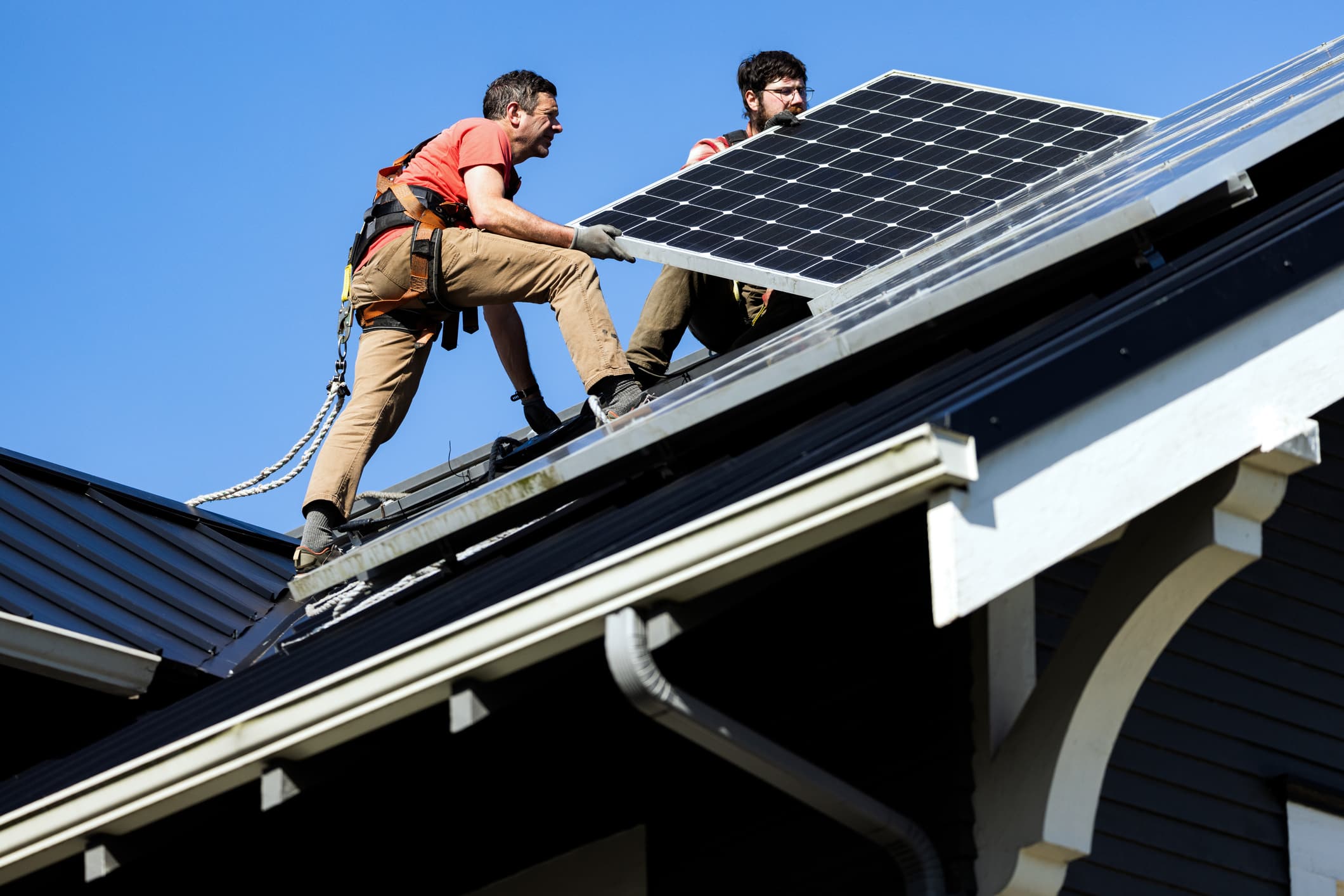
In a stunning demonstration that size isn’t everything in renewable energy adoption, Rhode Island has secured its position as a national leader in behind-the-meter solar installations, according to newly released data from the U.S. Energy Information Administration.
Breaking Records in Solar
The Ocean State boasts an impressive 9.35% of its consumed energy generation from behind-the-meter (BTM) photovoltaic (solar) installations – ranking second nationally behind only Hawaii’s 17.32%. This achievement is noteworthy given Rhode Island’s dense urban development and limited geographic footprint.
Regional Leadership
Rhode Island’s solar success extends beyond national rankings. The state significantly outperforms its larger neighbors in BTM solar adoption:

- Rhode Island: 9.35% BTM solar
- Massachusetts: 8.12% BTM solar
- Connecticut: 5.18% BTM solar
Total Renewable Picture
During the period from Q4 2023 through Q3 2024, Rhode Island generated 19.03% of the electricity it used from wind, water, and solar (WWS) sources. When adjusted for behind-the-meter installations, this figure translates to 17.40% of total demand – a notable achievement for the nation’s smallest state.
Compared to the national average of 24.00% WWS generation (23.51% adjusted), Rhode Island falls somewhat short. However, many states with higher percentages benefit from abundant natural resources such as hydropower or vast open spaces for wind farms, advantages Rhode Island lacks due to its small size and geography.
Within the New England region, Rhode Island’s performance is noteworthy:
Rhode Island’s 19.03% places it in the middle range of New England states, an impressive feat given its spatial constraints:
- Maine: 67.30% WWS generation
- Vermont: 41.25%
- New Hampshire: 20.97%
- Rhode Island: 19.03%
- Massachusetts: 15.11%
- Connecticut: 8.57%
The Cost Factor
This transition to renewable energy, particularly with solar, has split the haves from the have-nots. Rhode Island ranks 49th out of 51 jurisdictions (including D.C.) in residential electricity prices, with only Hawaii and Massachusetts residents paying more for their electricity. Because of the high rates, those that can afford to make the investment in rooftop solar save significantly over those that cannot.
This cost burden raises important questions about energy equity and accessibility, particularly for lower-income residents. While many Rhode Islanders have embraced solar technology, the high electricity rates remain a challenge for those unable to invest in their own generating capacity.
Looking Forward
Rhode Island’s success in distributed solar deployment offers lessons for other densely populated states looking to increase their renewable energy capacity. The state has demonstrated that significant renewable energy adoption is possible even in space-constrained urban environments.
The Path Ahead
As Rhode Island continues its clean energy transition, the primary challenge lies not in renewable energy adoption – where the state has proven remarkably successful – but in making clean energy more affordable and accessible to all residents.
The state’s experience offers valuable lessons about the possibilities of renewable energy adoption in urban environments, while highlighting the ongoing need to address affordability in the clean energy transition.
For now, Rhode Island stands as a powerful example that small states can make an outsized impact in the renewable energy landscape, proving that when it comes to clean energy leadership, it’s not the size of the state that matters, but the scale of its commitment.
Was this article of value?
We are an reader-supported publication with no paywalls or fees to read our content. We rely instead on generous donations from readers like you. Please help support us.