


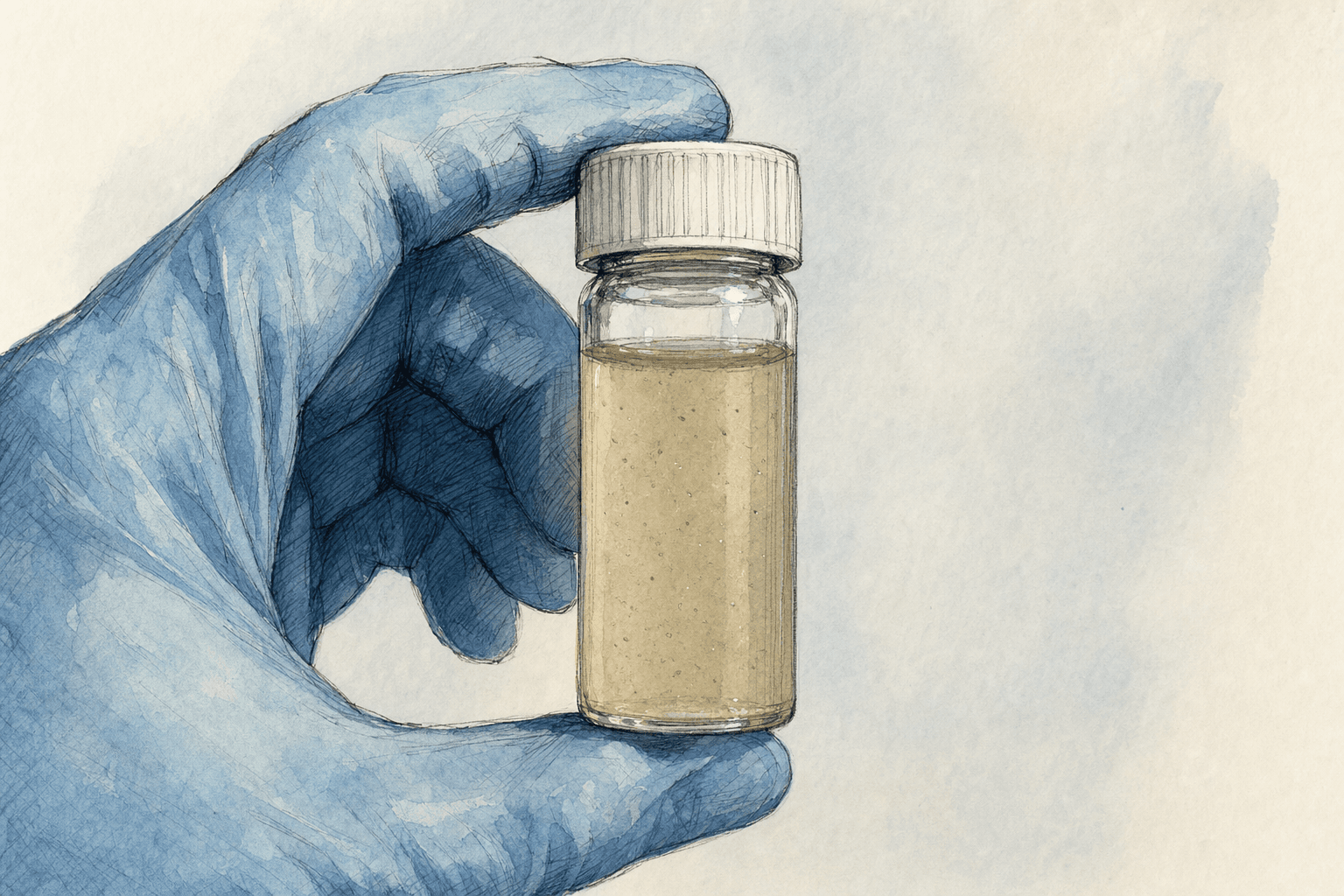
The Tiverton Town Council voted Thursday to put $120,000 toward engineering work for a water line extension on Crandall Road, where private wells have tested positive for PFAS contamination.
The money comes from the town's casino revenue account and will pay the North Tiverton Fire District Water Department to design and model the extension. The town administrator told the council the town is pursuing grant funding through DEM, the Rhode Island Department of Health and the USDA, but did not want to wait for that paperwork. He described the appropriation as essentially a bridge loan to the fire district, and said the town has been told the funds are fully reimbursable. Both the appropriation and a second spending item were approved by voice vote.
What the engineering money buys
The $120,000 covers design and hydraulic modeling only — not pipe, not water. The water department's general manager told the council the study will assume every house inside the area DEM is testing, regardless of test results, so the design accounts for the maximum demand. If capacity is tight, he said, the district would restrict outdoor watering during hot summer months and allow no new connections to its system until the capacity question is resolved.
Local sponsorAffordable photography lessons in Newport, Jamestown, or your town.E.L. Photo RIDevelopments already approved have had water accounted for, he said. Projects not yet approved could be told to help pay for infrastructure upgrades as a condition. One council member argued for a building moratorium; the solicitor cited state law allowing a limitation only in a dire emergency, capped at 120 days, and noted it likely could not apply townwide or to low- and moderate-income housing. The council agreed to try to take up the question at its next meeting rather than debate an item not on the agenda.
Asked about timing, officials sketched a realistic picture rather than a fast one: possibly three months of permitting before work starts, construction in phases street by street, and completion potentially in spring 2027. Above-ground temporary hoses were raised and dismissed — they freeze around Thanksgiving, and DEM will reimburse only a completed project, not temporary construction. Filters are the exception the state will pay for.
$25,000 for testing and water
The council also approved spending up to $25,000 from its contingency account — the budget line held in reserve for unplanned costs — for outreach and direct help to residents. The administrator said the money would buy bottled water delivery for affected households and pay the roughly $200 fee for PFAS well tests for residents the state declines to test, starting with those closest to the impacted area. Contingency holds about $100,000 this year, he said, and he would return if more is needed.
Residents should know that a standard well test does not include PFAS; it must be requested specifically.
Frustration with the state
Several council members said information is arriving late or not at all. DEM has not released a map showing the contamination boundary, which officials said is being prepared with ranges rather than individual household results for privacy reasons. One member called that unacceptable and noted affected addresses are already circulating on social media.
A resident said DEM has held her sample since July 7th and that testing has paused because a piece of state equipment is broken, with a replacement part expected next week. Officials said only three labs in Rhode Island are certified for PFAS, and using an outside lab could produce results the state will not accept. A council member argued the state, not homeowners, should be collecting samples to protect chain of custody.
Testing was described as continuing on Bugamash Road, where public water already exists, with the focus on identifying private wells. Karen Campion was referenced regarding an extension of testing in that area. The administrator said DEM gave the town a list of about 21 residents it could not reach, and that police made contact over the weekend.
What's next
A community meeting is scheduled for August 12th from 5:30 to 7 p.m. at the town's high school, with DEM, the Rhode Island Department of Health and PFAS experts present. The format includes an information area, presentations, a question-and-answer period, and experts staying afterward for one-on-one questions. Officials said the meeting will be recorded. The proposed building moratorium may appear on the council's next agenda.