
Why Billionaires Can’t Stop Accumulating Wealth — And Why It Matters
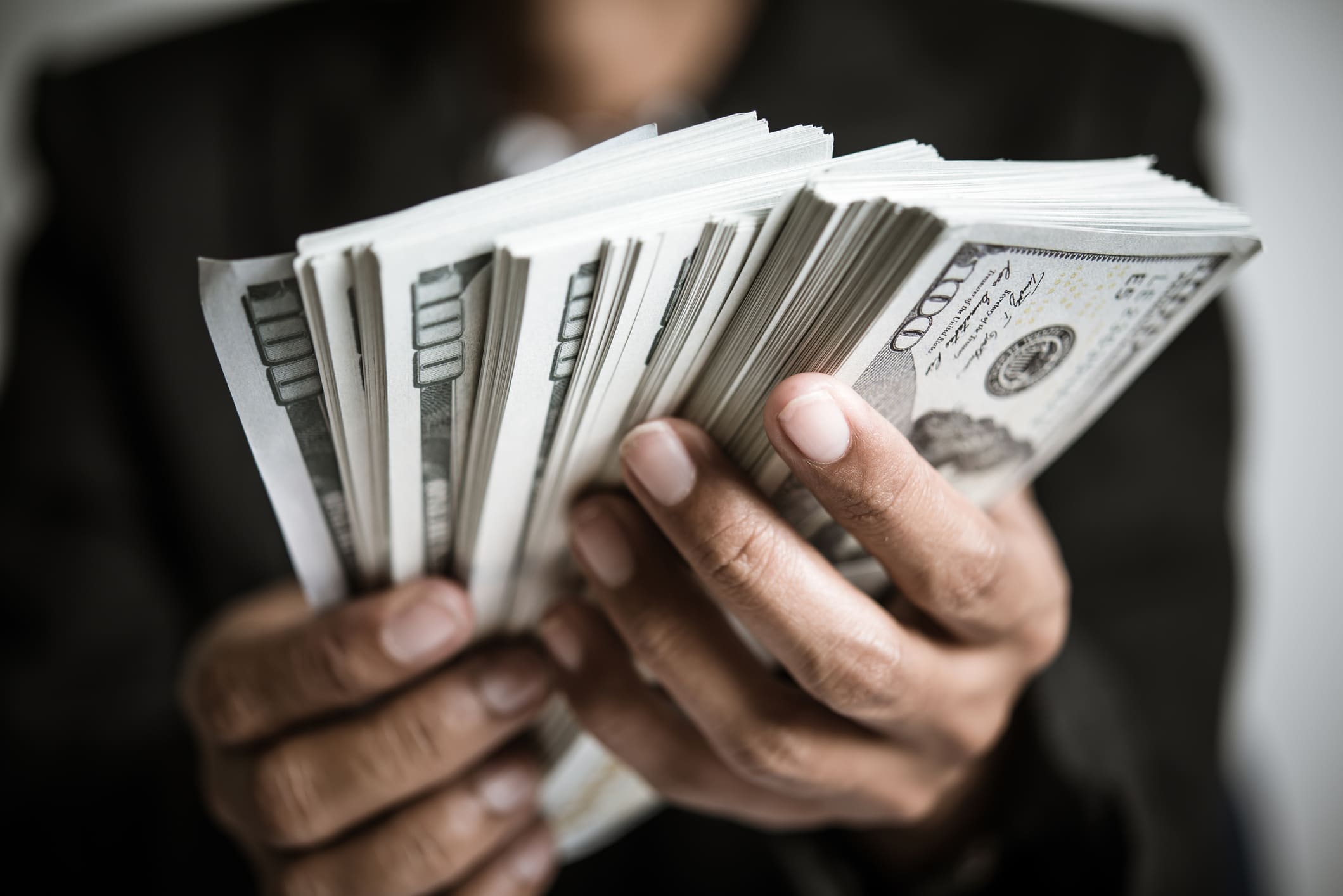
The world’s billionaires own multiple mansions, private jets, and superyachts, yet continuously chase more wealth. This phenomenon—the hedonic treadmill—traps them, like a disease, in a cycle of diminishing returns while their consumption generates devastating environmental and social costs. What most don’t realize: their pursuit of happiness comes at a steep price….
April 24, 2025, 10:19 am
By Greg Brailsford
The world’s wealthiest individuals live in unfathomable luxury. Private jets whisk them between multiple mansions. Superyachts larger than most apartment buildings drift across oceans. Space tourism ventures fulfill childhood fantasies. Yet despite these extravagances, many billionaires appear locked in a relentless pursuit of more.
This phenomenon has a name: the hedonic treadmill. And while it might seem like a personal psychological quirk of the ultra-wealthy, its consequences ripple outward, affecting society, the environment, and the very foundation of our democracy.
What Is the Hedonic Treadmill?
The hedonic treadmill describes humans’ tendency to quickly adapt to changes in their circumstances, whether positive or negative. After an initial spike in happiness following a positive event — like a promotion, lottery win, or new purchase — people rapidly return to their baseline level of satisfaction.
Dr. Sonja Lyubomirsky, a happiness researcher at UC Riverside, explains: “When something good happens, like buying a new car or getting a raise, people feel an initial burst of joy. But that feeling fades surprisingly quickly as the new situation becomes the new normal.”
This adaptation mechanism served our ancestors well, helping them recover from hardships and continue functioning. However, it also means that material gains provide only temporary happiness boosts.

Consider lottery winners. Studies show that within a year of their windfall, most report happiness levels similar to their pre-lottery lives. The initial elation of sudden wealth fades as luxury cars, dream homes, and exotic vacations become their new baseline.
The treadmill metaphor is apt: just as a person on a treadmill must keep running to stay in place, humans must continually acquire new sources of pleasure to maintain elevated happiness. Once obtained, each new possession or experience quickly becomes mundane.
Billionaires on the Treadmill
For the ultra-wealthy, this psychological phenomenon operates on a vastly different scale.
When ordinary people adapt to a new smartphone, they might soon desire the next model. When billionaires adapt to owning a private jet, they might soon desire a larger one, or perhaps a fleet. With effectively unlimited resources, the ultra-rich can keep chasing bigger and more extravagant highs.
Elon Musk, worth approximately $209 billion, exemplifies this pattern. Despite amassing more wealth than any individual could reasonably spend in multiple lifetimes, he continues aggressively pursuing additional wealth and power through new ventures and acquisitions.
Jeff Bezos, after building Amazon into a retail giant, could have comfortably retired. Instead, he funded Blue Origin, bought The Washington Post, and commissioned a $500 million megayacht so large that a historic bridge in Rotterdam needed to be temporarily dismantled for it to pass through.
“The ultra-wealthy often develop a tolerance to luxury the way someone might develop a tolerance to a drug,” explains psychologist Dr. Thomas Gilovich of Cornell University. “What once seemed extraordinary becomes ordinary, pushing them to seek increasingly extreme experiences to feel the same satisfaction.”
This escalation creates a dangerous cycle: billionaires need more and more wealth to stave off the drop that follows adaptation. For some, the prospect of merely maintaining their current wealth — rather than seeing it grow — can trigger anxiety and depression.
When One Person’s Desires Cost Everyone Else
The personal psychology of billionaires wouldn’t matter much if their pursuit of happiness occurred in isolation. It doesn’t.
When Musk tweets against wealth taxes or lobbies for business-friendly policies, he’s not merely expressing an opinion — he’s wielding immense influence to reshape society in ways that benefit him personally while potentially harming millions of others.
In 2021, after Senator Elizabeth Warren proposed a modest wealth tax on billionaires, Musk launched a public campaign against it. Had such a tax been implemented, it could have funded universal childcare, eliminated student debt for millions, or substantially upgraded America’s crumbling infrastructure — all while leaving Musk with more money than he could spend in dozens of lifetimes.
The tax policies billionaires advocate for directly impact government’s ability to function. When the ultra-wealthy successfully lobby for tax cuts and loopholes, they deprive the public treasury of resources needed for education, healthcare, housing, and other essential services.
Economists Emmanuel Saez and Gabriel Zucman found that in 2018, for the first time in at least a century, America’s billionaires paid a lower total tax rate than the working class. The consequences are visible in underfunded schools, deteriorating public transportation, and millions lacking healthcare.
“Each time a billionaire successfully avoids taxation, that’s money that isn’t going to fix roads, fund schools, or help struggling families,” says Chuck Collins, director of the Program on Inequality at the Institute for Policy Studies. “Their private gain comes at a tremendous public cost.”
Outsized Climate Impact
Perhaps nowhere is the damage from billionaires’ consumption more evident than in their contributions to climate change.
A 2023 analysis found that just 12 of the world’s wealthiest billionaires produce about 17 million tonnes of CO₂ annually from their lifestyles and investments — roughly equivalent to the annual energy-related emissions of 2.1 million American homes.
Private jets, a standard accessory for the ultra-wealthy, are extraordinarily carbon-intensive. A single transatlantic round-trip by private jet can emit as much carbon as an average person in the UK does in 11 years.
Bezos’s 127-meter megayacht alone emits an estimated 7,154 tonnes of CO₂ per year just in operation — equivalent to the annual emissions of over 1,000 average Americans. Even when not in active use, these floating mansions must run generators and maintain systems constantly, producing thousands of tons of carbon annually.
Multiple sprawling estates add to this footprint. Many billionaires maintain several homes across different continents, each requiring enormous resources to maintain comfortable conditions, landscaping, and amenities like heated pools. During California’s recent droughts, several ultra-wealthy residents were caught using hundreds of thousands of gallons of water annually just for landscaping while ordinary citizens faced strict rationing.
Beyond personal consumption, the investments of billionaires often fund some of the most polluting industries. Through the corporations they own or invest in, billionaires can generate carbon emissions a million times greater than average citizens.
“The climate impact of billionaires is so severe that it effectively amounts to theft of our shared atmospheric commons,” says climate economist Dr. Julia Steinberger. “They’re appropriating a vastly disproportionate share of our remaining carbon budget, leaving less for everyone else.”
Diminishing Returns of Wealth
The cruel irony is that all this consumption and accumulation doesn’t actually make the ultra-wealthy sustainably happier.
Research consistently shows that once basic needs are met and a comfortable standard of living is achieved (around $95,000 annually in the United States), additional income produces diminishing returns in happiness. A person earning $500,000 isn’t significantly happier than someone earning $100,000, and a billionaire isn’t measurably happier than either.
This finding has profound implications for tax policy. If extreme wealth doesn’t contribute meaningfully to well-being beyond a certain point, then high marginal tax rates on ultra-high incomes and wealth would have minimal impact on the happiness of those who pay them — while providing substantial resources for public goods that benefit millions.
“The evidence suggests that wealth beyond a certain threshold primarily serves status competition rather than happiness enhancement,” explains economist Robert Frank, author of “Luxury Fever.” “Taxing away some of that excess wealth would harm no one’s genuine well-being while helping many.”
Several European countries have maintained top marginal tax rates between 50% and 70% without driving away talent or stifling innovation. During America’s post-WWII economic boom, the top marginal tax rate exceeded 90%, coinciding with one of the most prosperous periods in U.S. history.
Breaking the Cycle
The hedonic treadmill isn’t inevitable. Both individuals and societies can implement strategies to mitigate its harmful effects.
For individuals, research points to several approaches: practicing gratitude, focusing on experiences rather than possessions, and engaging in meaningful social connections and community service. Studies show these activities produce more lasting satisfaction than consumption.
Some wealthy individuals have recognized this. Warren Buffett still lives in the same Omaha house he bought in 1958 for $31,500, despite being worth over $100 billion. Chuck Feeney, who made billions with Duty Free Shoppers, gave away his entire fortune anonymously over decades, telling Forbes: “I had one idea that never changed in my mind — that you should use your wealth to help people.”
At a societal level, policy changes could help redirect resources from harmful luxury consumption toward public needs. These might include:
- Progressive wealth taxes that increase with net worth
- Luxury taxes specifically targeting ultra-high-emission goods like private jets and superyachts
- Carbon taxes that reflect the true environmental cost of consumption
- Strengthened estate taxes to prevent dynastic wealth accumulation
Such policies would generate revenue for public investments while disincentivizing the most harmful forms of luxury consumption.
“When we understand the hedonic treadmill, we realize that allowing billionaires to accumulate ever more wealth doesn’t even benefit them in the long run,” says inequality researcher Chuck Collins. “It’s a lose-lose proposition — they’re chasing an illusory satisfaction while society bears the cost.”
The path forward requires both individual reflection and collective action. By understanding how the hedonic treadmill warps the behavior of the ultra-wealthy and implementing policies that channel resources toward broader well-being, we can create a society where happiness doesn’t come at others’ expense.
Was this article of value?
We are an reader-supported publication with no paywalls or fees to read our content. We rely instead on generous donations from readers like you. Please help support us.