

Environment
Environmental issues and climate change
Members of GA agree on equity in public transportation, but some lack specifics
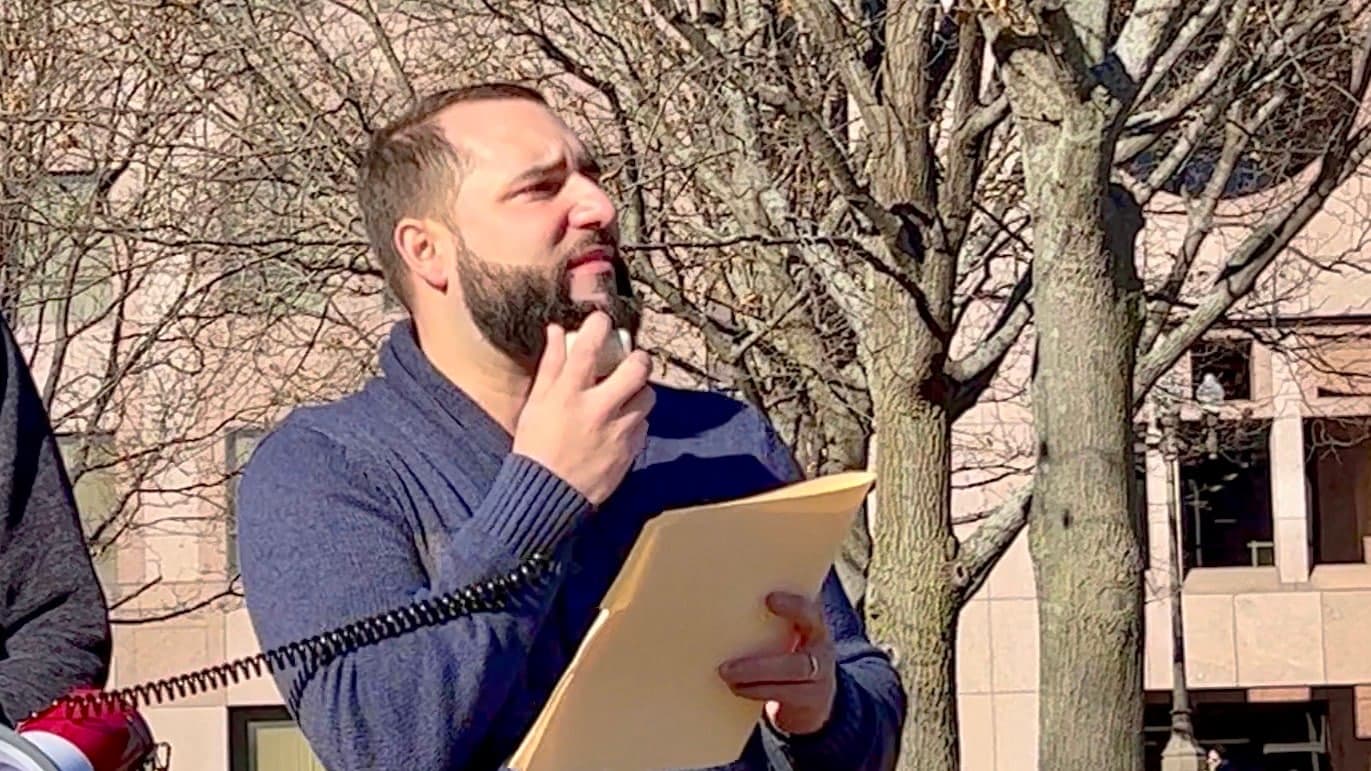
At the Transit Equity Day rally held in Providence on Friday, Representative Carlos Tobon spoke about the importance of transit equity, and offered his support for the concept - but was not specific about what transit equity actually looks like.
Transit Equity Day event calls for fairness in public transportation
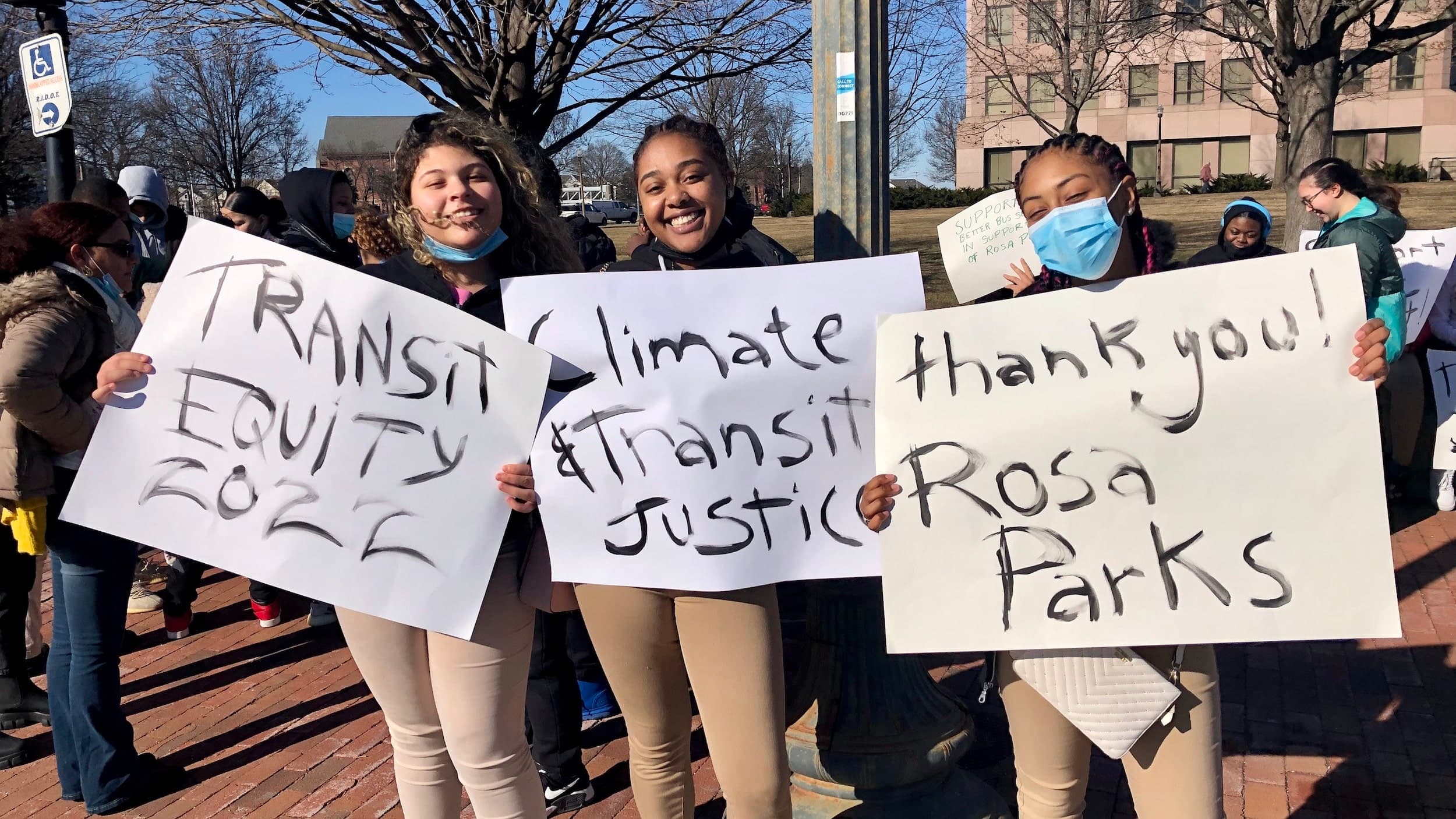
“Transit Equity Day is a day to call for action in our everyday lives to promote transit equity," said Rhode Island Transit Rider Rochelle Lee at the Transit Equity Day event. "A day to connect the voices of those who endure hardship and the inequities of racial segregation.”
Why Coastal Resource reforms must focus on environmental racism
During the hearings held by the special Commission, environmental justice and the overt racism of the CRMC and the Raimondo Administration were never brought up, until UpriseRI brought it to the attention of the Commission on Wednesday...
A solar farm in the Port of Providence needs your support
The new plan needs supporters, and the groups are actively searching for support. If you or your group would like to support this effort, contact providence neighbors@gmail.com. It's a matter of equity. Those big beautiful wind turbines sprouting up in the Port of Providence provide power, not to Washington Park residents, but to Johnson and Wales University.
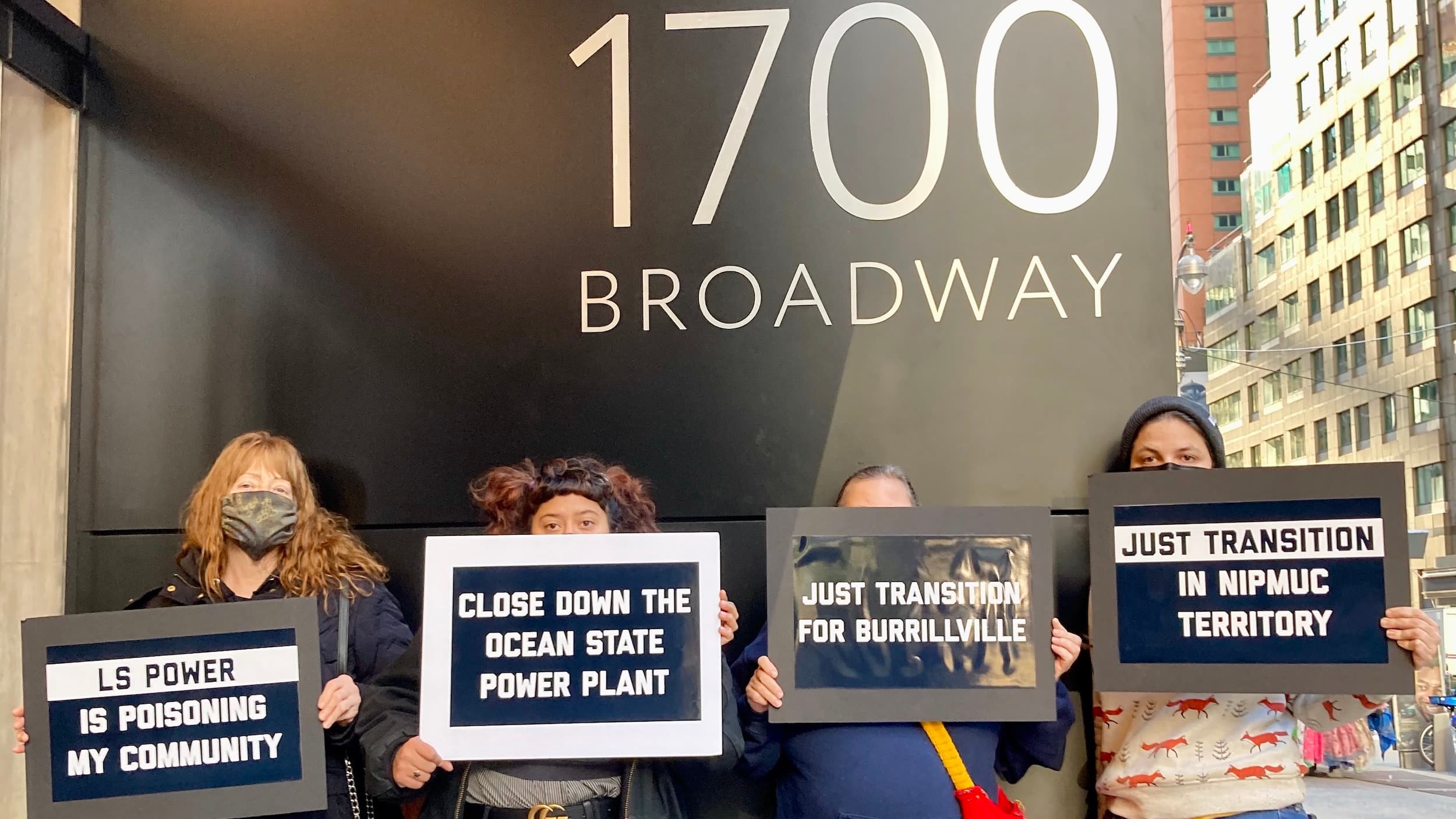
Ocean State Power Plant cited 33 times, mostly for emissions violations - activists want it gone
“Ocean State Power emits the same toxins like nitrogen oxide, formaldehyde, and climate change causing emissions that the Clear River project would have emitted, they both run on the same type of fuel," said Martley in a statement. "If you were concerned about the Clear River Energy Center, you should be concerned about Ocean State Power.”
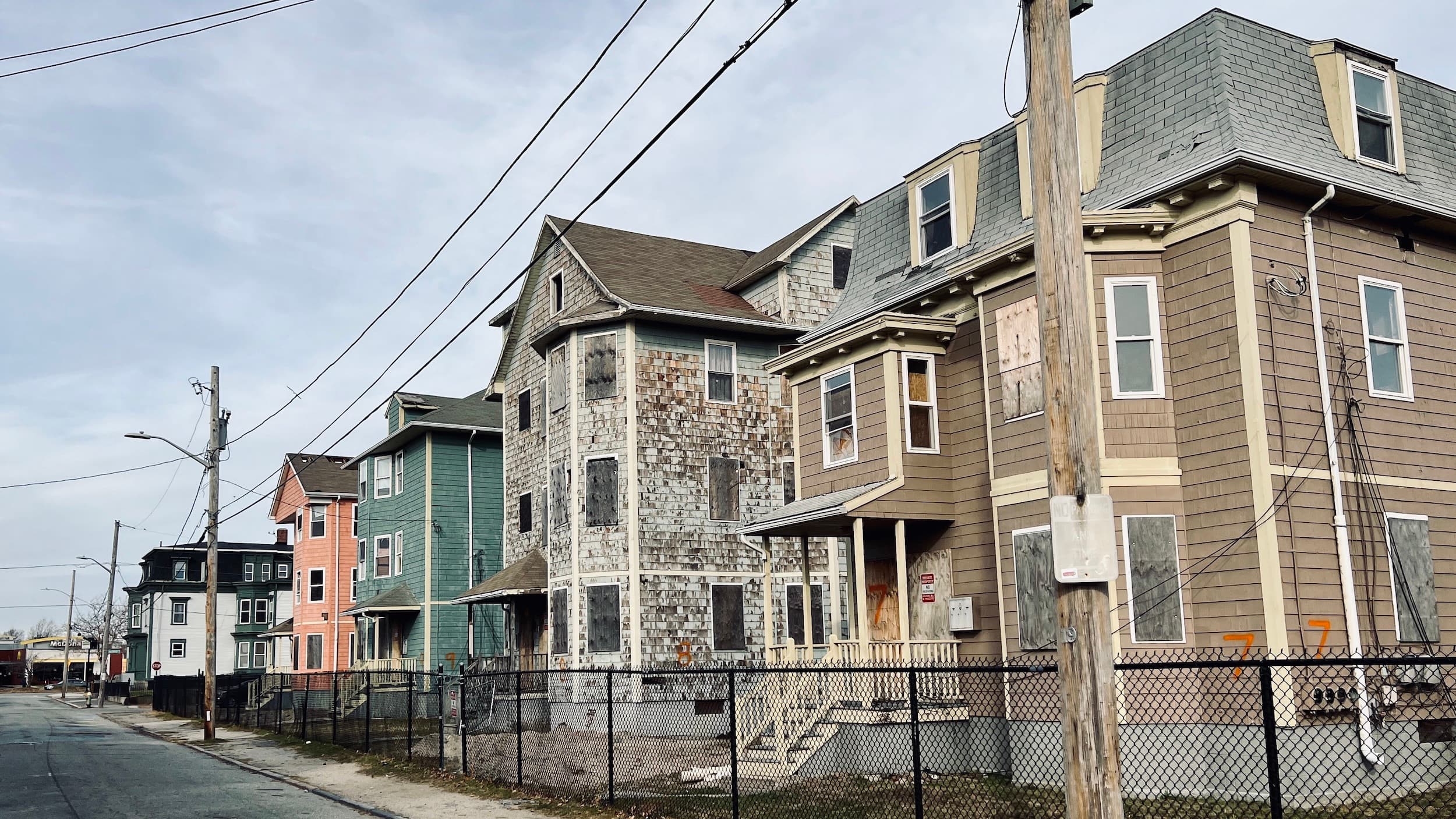
Report: Rhode Island has turned away over $1billion in federal affordable housing funds
“From 2014 to 2020, Rhode Island was eligible for up to $1.553 billion in 4 percent tax credit funds, but we only spent $171.4 million, turning away a total of $1.381 billion. That works out to an average of $197.3 million of federal funds turned away each year,” writers report author Phoebe Dragseth. “With the housing crisis roiling Rhode Island, now is not the time to turn down federal funds allocated to our state to build affordable housing. Rhode Island must act fast to put in place the policies necessary to maximize the 4% credit federal funding stream.”
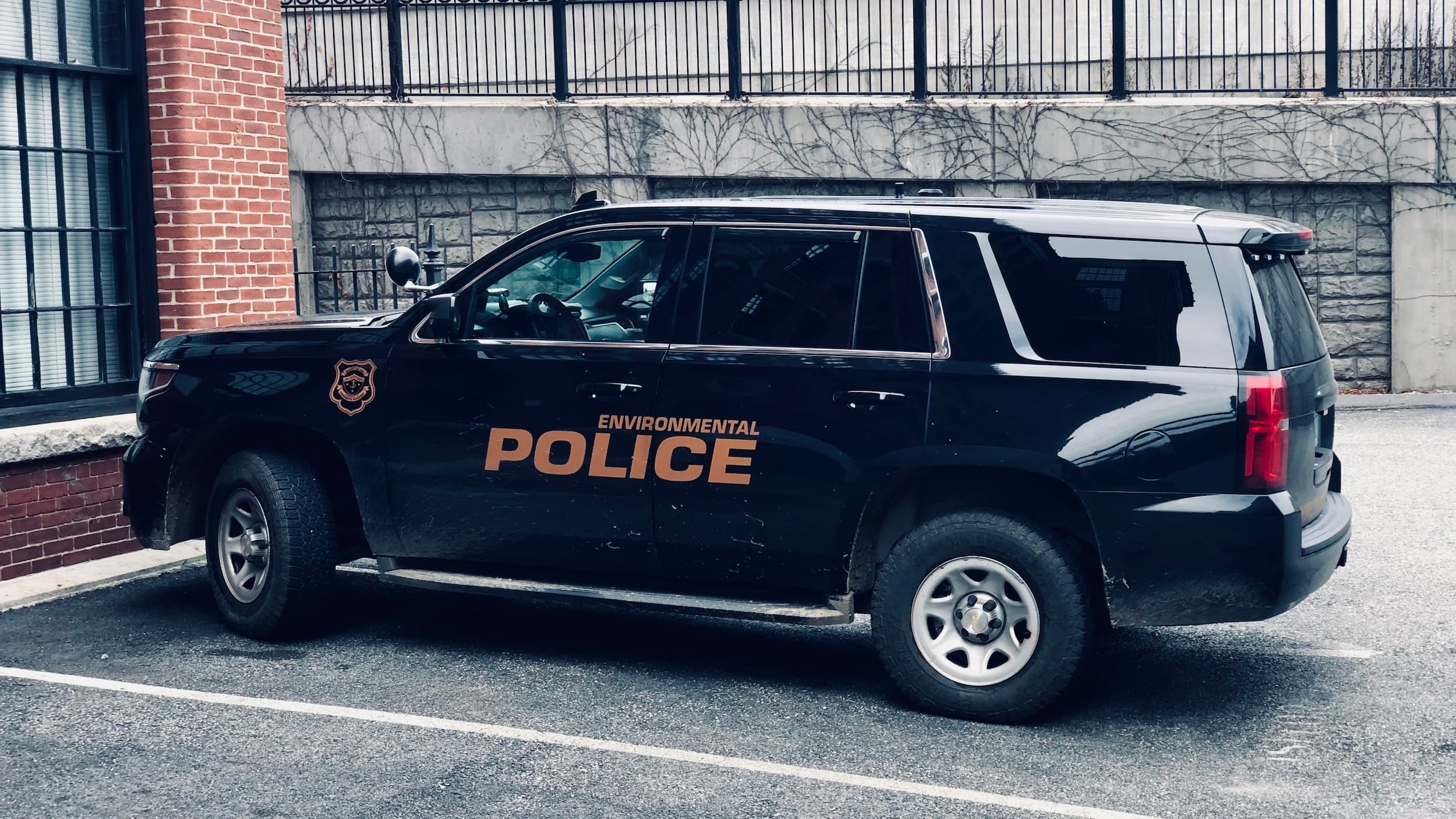
Are corporations co-opting environmental oversight? A conversation with DEM's Terry Gray
"Tidewater is an old site. This thing goes back to the 1800's where it was a manufactured gas plant and there's all kinds of construction remediation going on there. It's being redeveloped as a soccer stadium," said DEM's interim Director Terry Gray. "There's a lot of disturbance on the site, historical and current, and the bottom line is to not have those oil spills."
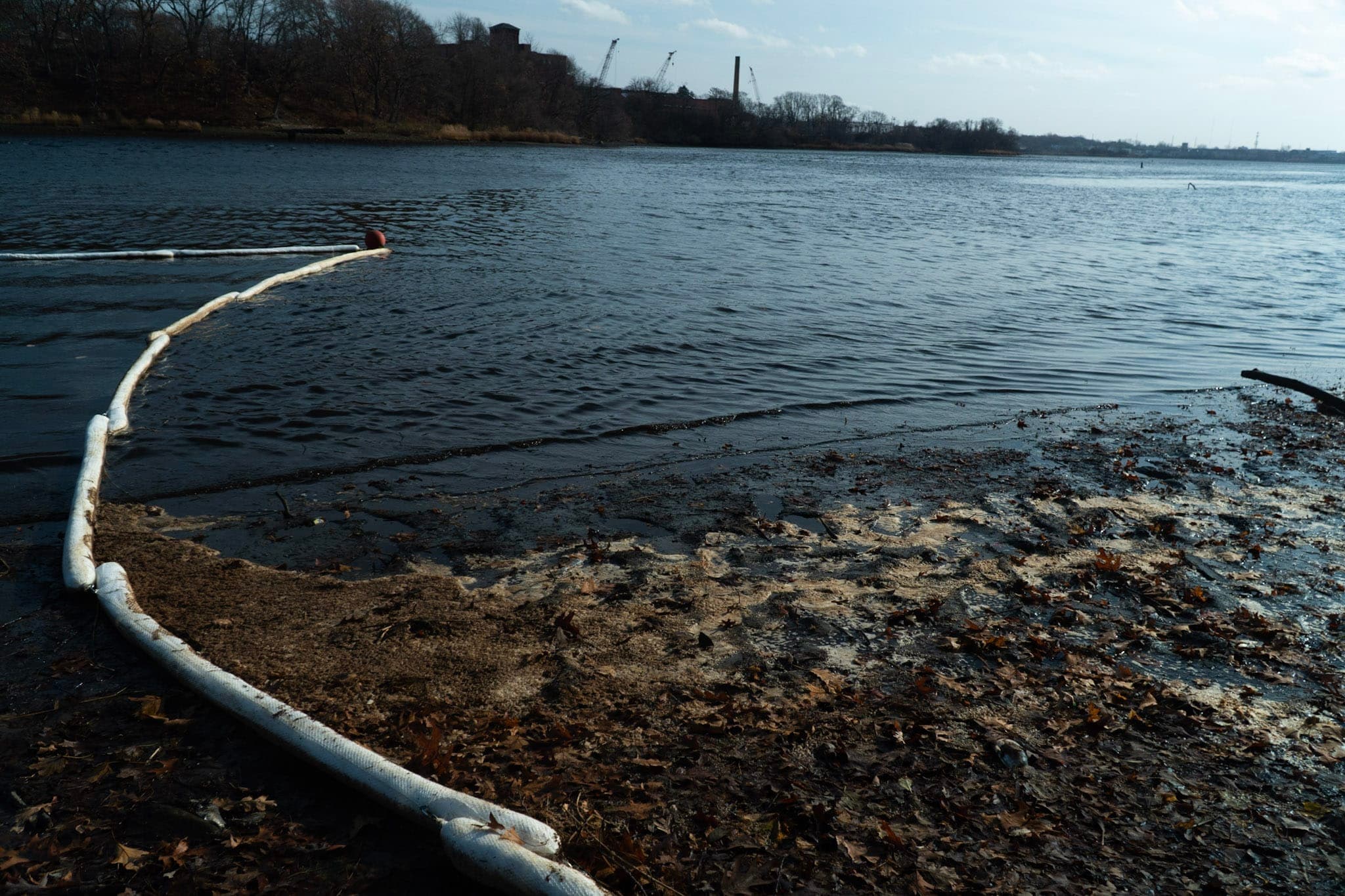
Photographer Alex Hornstein laments the wildlife lost to National Grid's oil spillage
"It's a shame because there's a lot of animals, right here," said Alex Hornstein in his video. "I'll come out and I'll see live river otter. Coyote and deer come exactly to this spot to drink. There's a pair of bald eagles that fish here, and osprey. All that stuffs getting displaced from this. You can see that there are seagulls that are enjoying themselves on the ton of dead fish…"
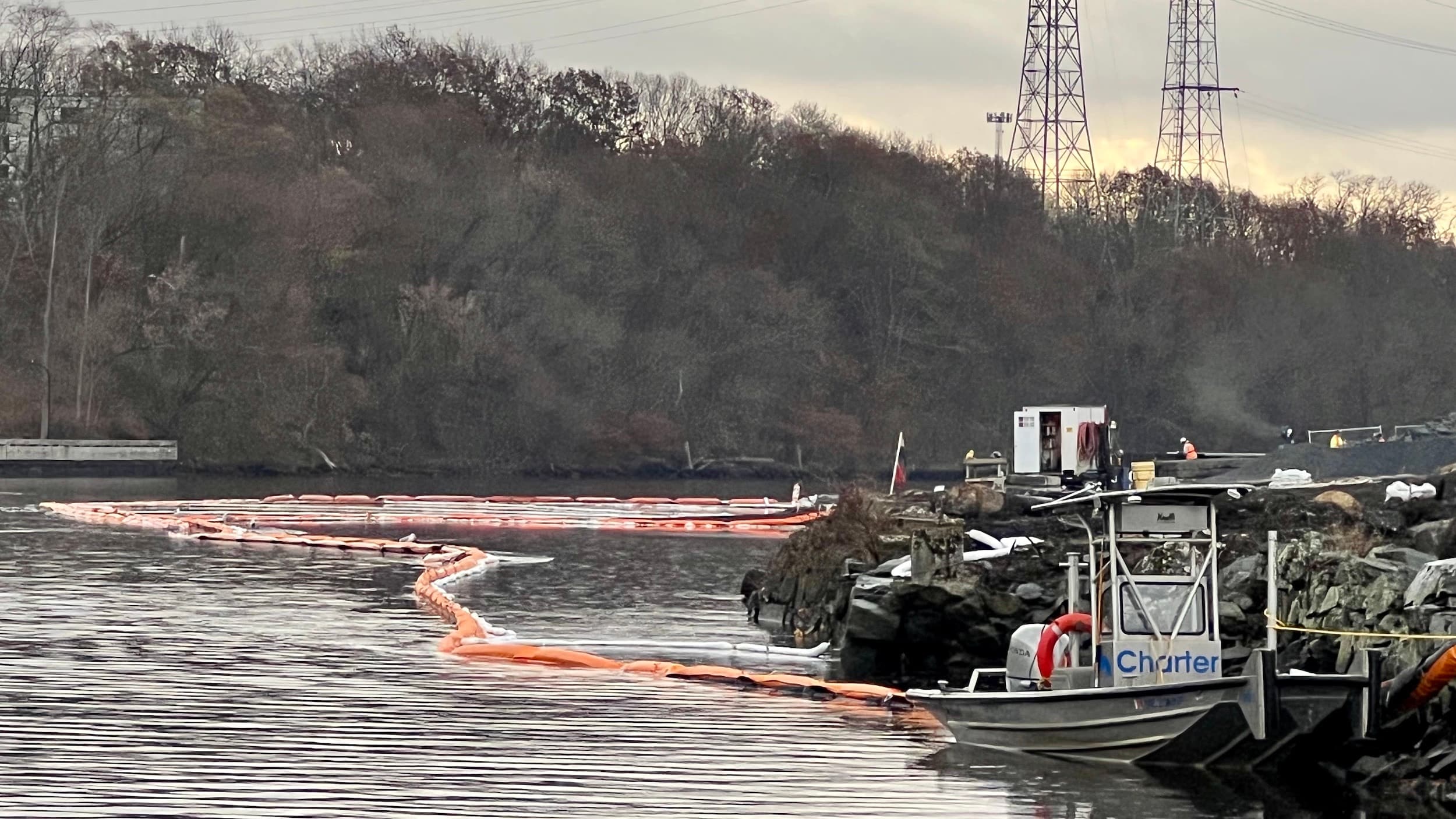
Senator Meghan Kallman: National Grid has failed in regards to Tidewater remediation
As the district Senator, it is my expectation that the National Grid keeps the city of Pawtucket, DEM, and the Coastal Resources Management Council informed about such issues as they occur, rather than waiting for the public to report problems.
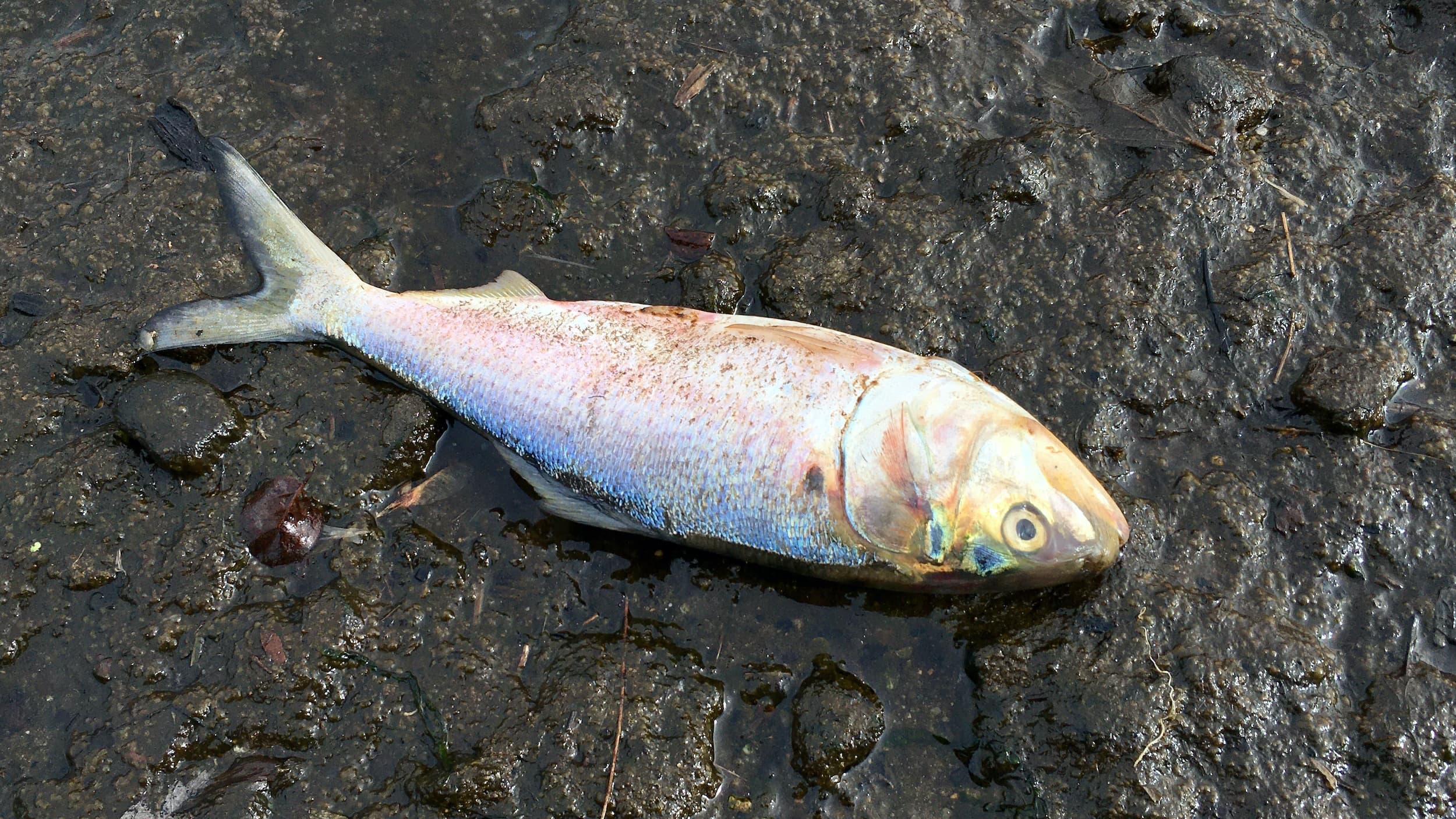
Toxic oil leak in Pawtucket traced to National Grid's Tidewater Landing remediation efforts
"There was a coal gasification facility on that site, an MGP, manufactured, gas plant, essentially coal gasification. Environmental standards being what they were back then there was lack of containment. There were things escaping from that facility into the soil, byproducts of converting coal into gas. Liquids, fragments of coal, slurry - whatever else is made when you convert coal into gas, - that's all going down into the soil."