

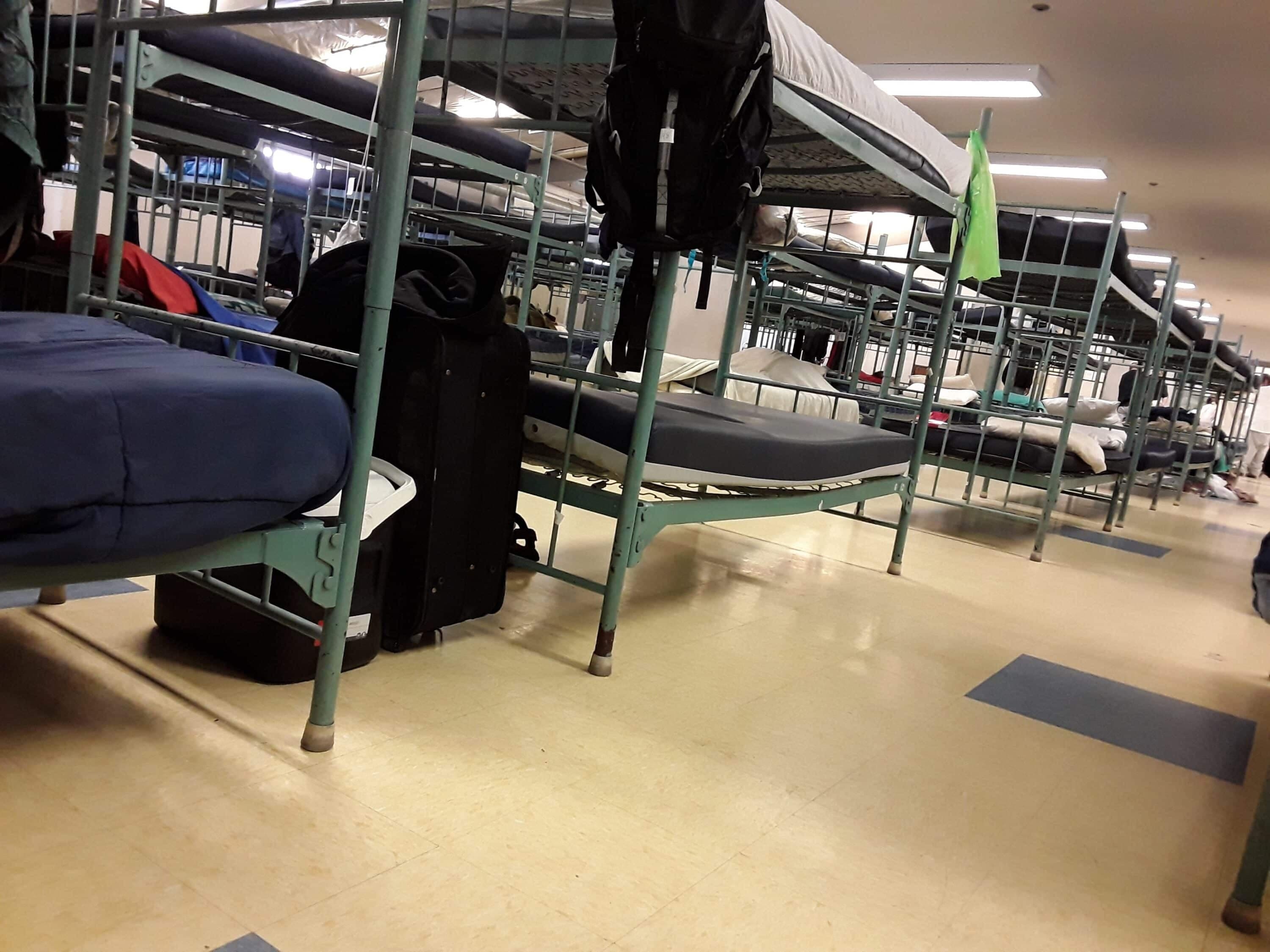
The Rhode Island Department of Housing launched a new online Homelessness Data Dashboard in February that has raised concerns among housing advocates about how the information might be misinterpreted by the public and policymakers.
The dashboard, updated each weekday, displays shelter bed utilization rates from the previous night across both non-family and family shelters. As of March 3, the system showed 73 non-family shelter beds and 14 family shelter units not utilized the previous night.
What the dashboard fails to include, however, is perhaps the most critical metric: the actual number of Rhode Islanders currently experiencing homelessness or seeking shelter.
"This is a dashboard that seems designed to portray shelter bed availability when the reality on the ground is very different," said Steve Ahlquist, a local independent reporter and homeless advocate, during recent public testimony.
The dashboard shows high utilization rates for most facilities – many at 95% capacity or higher – but the presentation of "available beds" has already been weaponized in political discourse.
In January, Governor Dan McKee appeared on the Gene Valicenti Show and pointed to shelter vacancies, stating that "all our beds are not even filled right now" – a claim that homelessness advocates say misrepresents the complex reality of shelter access.
The Department of Housing itself acknowledges limitations in a disclaimer on the website: "This dashboard is not intended to be a placement tool for individuals experiencing homelessness who are in need of services." Instead, those seeking shelter are directed to contact the Rhode Island Coalition to End Homelessness.
This distinction is crucial because what appears as an "available" bed on the dashboard may already be allocated to someone who hasn't physically moved in yet, or may be temporarily unavailable due to maintenance or preparation for new occupants.
The dashboard indicates a total of 1,514 shelter beds statewide at the moment, which at first glance might suggest ample capacity to those unaware of the true nature of the crisis. But homeless advocacy groups point out that many Rhode Islanders remain unsheltered despite what the numbers indicate.
The timing of the dashboard's release coincides with increasing public attention to homelessness in Rhode Island, particularly during winter months when exposure to elements becomes life-threatening.
Critics fear the data presentation creates a false narrative that could undermine funding and policy initiatives aimed at addressing the state's housing crisis.
"I'm worried that critics will use this data to claim that plenty of beds are available," Ahlquist stated. "There are no caveats or footnotes there. It should probably say, 'There may be 81 unused family beds, but DCYF is ready to move 96 people in immediately.' It doesn't say that."
The dashboard's focus on utilization rates rather than need mirrors a national trend of quantifying homelessness through available services rather than actual population counts.
As Rhode Island continues to face housing affordability challenges and rising homelessness, advocates urge for more comprehensive data collection and presentation that accurately reflects the scope of the crisis.