

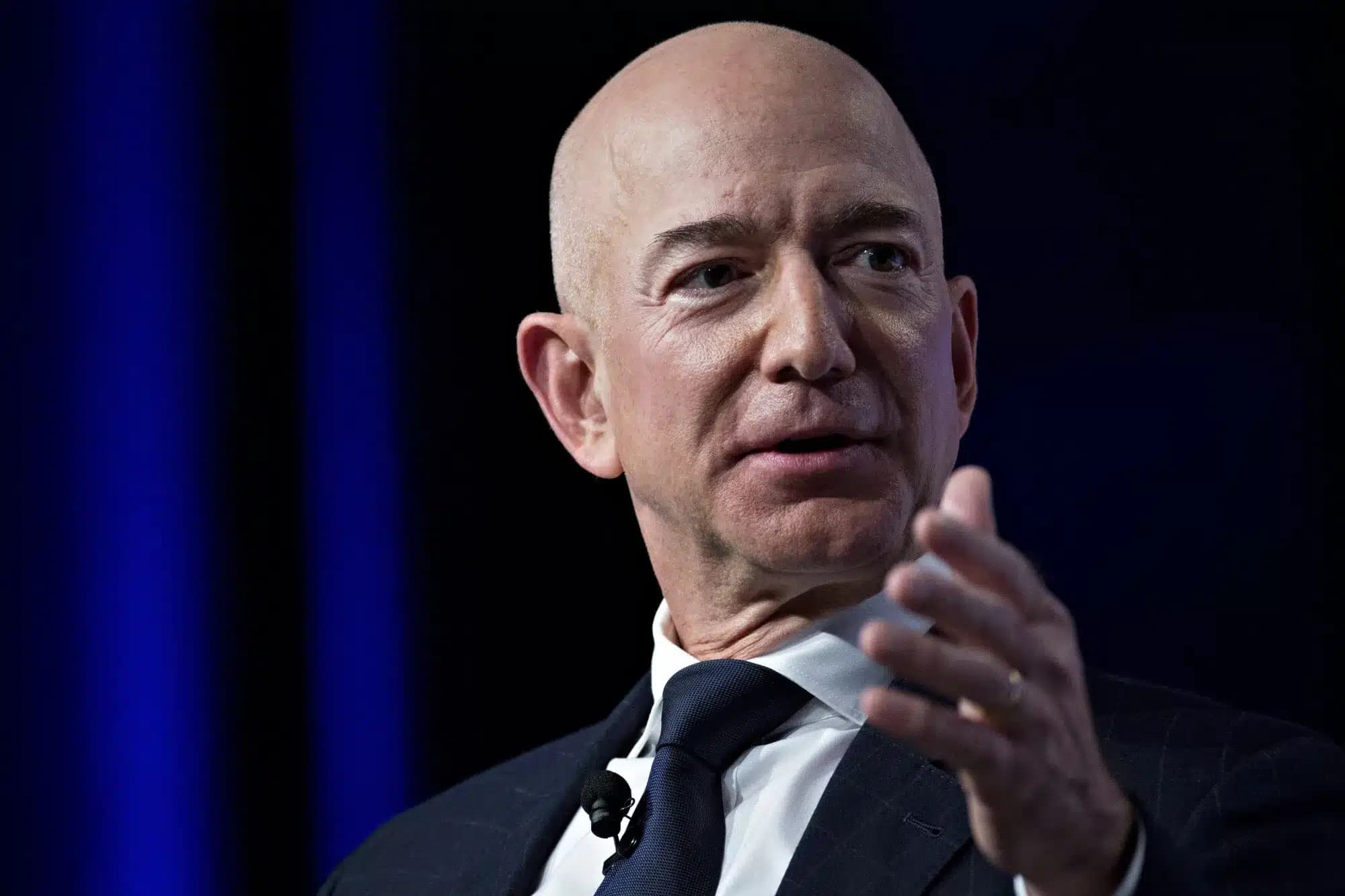
In a move that has sent shockwaves through American journalism, Jeff Bezos, founder of Amazon and owner of The Washington Post, has announced a major restructuring of the newspaper's opinion section that critics say will transform the storied publication into a vehicle for conservative economic ideology.
In a memo to staff, Bezos declared that the Post's opinion pages will now be "writing every day in support and defense of two pillars: personal liberties and free markets." He added that "viewpoints opposing those pillars will be left to be published by others."
The announcement marks a significant departure from the Post's longstanding tradition of presenting diverse viewpoints across the political spectrum and raises serious questions about billionaire influence over America's news media landscape.
The timing of Bezos' decision has proven particularly controversial, coming after he personally blocked the publication of cartoons critical of his relationship with President Donald Trump and prevented the newspaper from endorsing Kamala Harris for president.
Bezos, who purchased the Post in 2013 for $250 million, had previously presented himself as a hands-off owner who respected the newspaper's editorial independence. This new directive appears to contradict those assurances.
The memo attempts to justify the shift by suggesting that the internet has made broad opinion sections obsolete. "There was a time when a newspaper, especially one that was a local monopoly, might have seen it as a service to bring to the reader's doorstep every morning a broad-based opinion section that sought to cover all views," Bezos wrote. "Today, the internet does that job."
News Reporters Signal Resistance
While the memo specifically addresses the opinion section, concerns about potential spillover into news coverage have prompted some Post journalists to draw a line in the sand.
Jeff Stein, an economics reporter at the Post, publicly declared on Twitter that he would not tolerate interference with news reporting: "I still have not felt encroachment on my journalism on the news side, but if Bezos tries interfering with the news side I will be quitting immediately and letting you know."
His statement reflects growing tension within the Post's newsroom, where journalists have traditionally operated with significant independence from the opinion section.
Part of a Broader Pattern
Media analysts note that Bezos' interference at the Post follows a consistent pattern of billionaire owners exerting influence over news organizations. The decision to reorient the Post's opinion pages toward free-market ideology comes at a time when Bezos' own company, Amazon, faces increasing scrutiny over its market dominance and labor practices.
The New York Times has faced similar criticism for its opinion section, which regularly features columnists who promote anti-Palestinian policy positions and conservative economic views despite the paper's reputation as a liberal publication.
Young Americans Tune Out Corporate Media
Bezos' move comes at a precarious moment for traditional news organizations, which are increasingly losing younger audiences to alternative media sources.
Recent data shows that Americans between ages 20-45 are abandoning corporate news outlets in favor of independent journalists and social media platforms. Independent journalists like David Sirota and Ken Klippenstein have built substantial followings by providing trustworthy reporting that young Americans perceive as less beholden to corporate interests than mainstream outlets.
The crisis extends beyond print media. Cable news networks face a similar demographic cliff, with aging viewership and little replacement from younger generations. MSNBC's flagship program hosted by Rachel Maddow draws an audience where approximately 90% of viewers are over 54 years old, according to Nielsen data.
Government and Corporate Media Alignment
Critics argue that Bezos' directive represents just one facet of a broader system where government and corporate media interests increasingly align to control public discourse.
The recent push to ban TikTok, ostensibly over national security concerns, turned out to be a blatant attempt to limit Americans' access to platforms less controlled by traditional power centers. TikTok has become a significant source of news and political content for younger Americans, often featuring perspectives absent from corporate media.
Conservatives' Outsized Media Influence
Despite representing a minority of the American population, conservative viewpoints have maintained outsized representation in corporate media opinion sections. This influence has been built through decades of consistent messaging and media pressure campaigns.
The traditional "both sides" approach to journalism has often resulted in giving equal weight to conservative positions even when they represent overwhelmingly minority viewpoints, creating a distorted picture of public opinion.
The Amazon Connection
Bezos' decision to emphasize "free markets" in the Post's opinion coverage raises questions about potential conflicts of interest with Amazon, which has faced increasing regulatory scrutiny and labor organizing efforts.
Amazon has aggressively fought unionization attempts at its warehouses and has been criticized and sued for monopolistic practices in the e-commerce and cloud computing sectors. A Washington Post opinion section dedicated to promoting free-market ideology is intended to serve Amazon's corporate interests by advocating against government regulation and labor protections.
The Future of Media Independence
As corporate consolidation of media continues and billionaire ownership becomes increasingly common, questions about editorial independence have taken on new urgency.
The concentration of media ownership in the hands of a few wealthy individuals and corporations has created inherent conflicts of interest that undermine the press's role as a check on power.
Some media observers point to the growth of nonprofit news organizations and reader-supported journalism as potential alternatives to the corporate model. Publications like The Lever have demonstrated that independent journalism can thrive outside traditional ownership structures.
As The Washington Post prepares to implement Bezos' new directive, the broader implications for American journalism and public discourse remain uncertain. What is clear, however, is that the line between ownership and editorial independence at one of the nation's most prestigious newspapers has been significantly blurred.
The trend of young Americans turning away from corporate media sources suggests an awareness of these conflicts. As traditional media continues to lose relevance with younger demographics, the power of billionaire owners to shape public discourse through their media holdings may ultimately diminish—but not before creating significant challenges for democratic discourse in the interim.
In a media landscape increasingly dominated by a handful of wealthy individuals, Bezos' memo serves as a stark reminder of the fragility of press independence and the ongoing need for diverse, independent sources of news and opinion.