
RI Government Leaders Dodge Responsibility as Homelessness Crisis Deepens
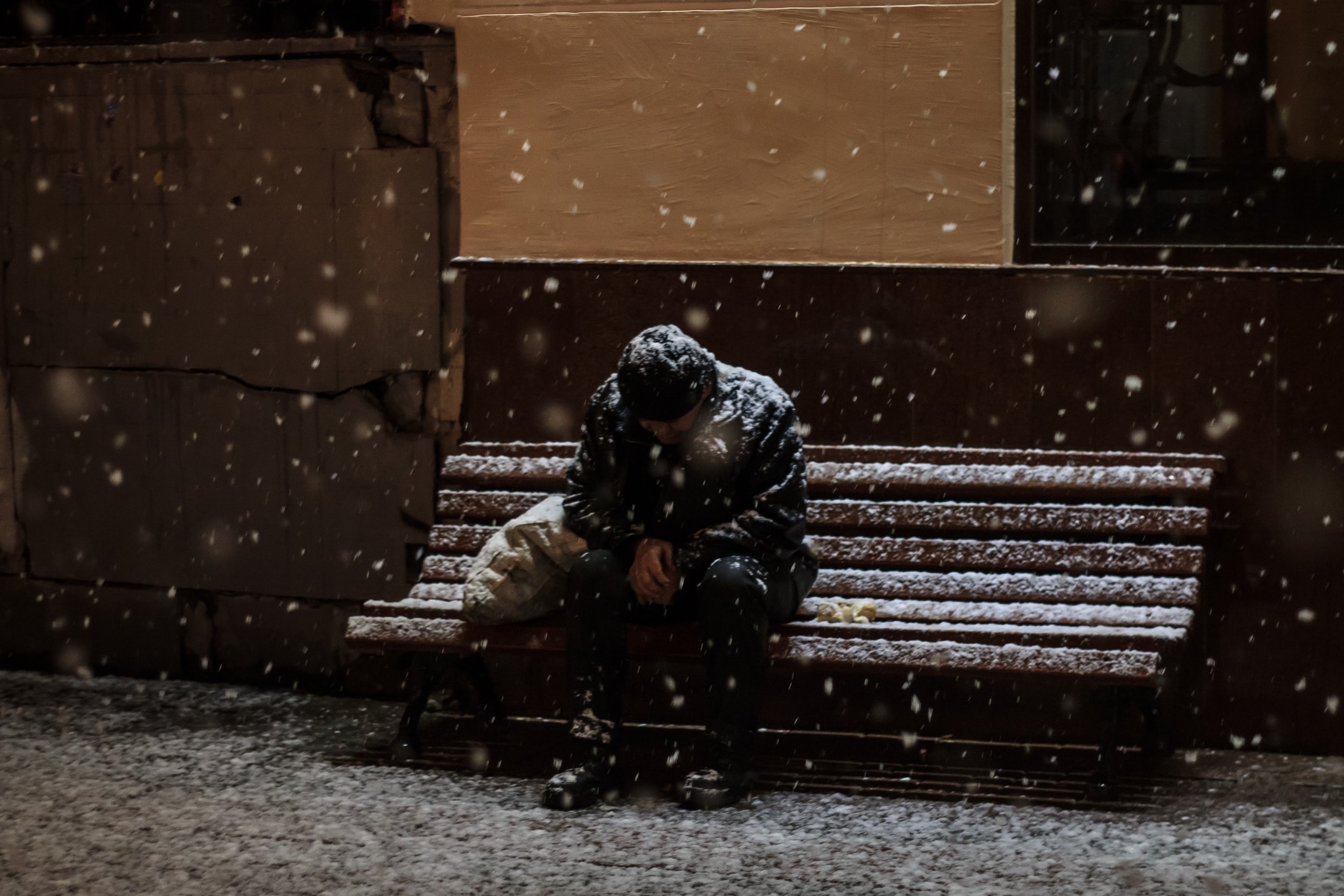
As temperatures plunge below freezing in Rhode Island, hundreds remain without shelter while state leaders actively resist declaring a homelessness emergency. Despite pleas from 46 state legislators and mounting deaths among the unhoused population, Governor Dan McKee continues to dispute basic facts about the crisis, leaving advocates wondering…
January 13, 2025, 2:02 pm
By Uprise RI Staff
Rhode Island’s homelessness crisis has reached unprecedented levels, with call volumes to emergency housing services doubling in four years and 54 people dying while living outdoors. Yet the state’s political leadership continues to resist meaningful action, even as temperatures drop below freezing and shelters remain at capacity.
According to recent data from the Rhode Island Coalition to End Homelessness, calls for housing assistance have increased by 99.5% over the last four years, reaching 103,911 calls in 2024. The state now ranks sixth highest in the nation for the number of people experiencing homelessness per capita.
Despite these alarming statistics, Governor Dan McKee has refused to declare a state of emergency, even after receiving formal requests from both the Providence City Council and 46 state legislators. The governor’s response has instead focused on questioning the validity of homelessness data.
“The Governor has long disputed rates of homelessness in RI,” notes independent journalist Steve Ahlquist, who documented McKee’s contradictory statements about the number of homeless encampments in the state. When confronted about the existence of 80-plus encampments, McKee claimed the number was inaccurate while simultaneously stating he wasn’t “disputing any numbers.”
The crisis extends beyond the governor’s office. In East Providence, city officials recently closed their “extreme weather” warming shelter despite forecasted temperatures of 24 degrees Fahrenheit. The city’s criteria for “extreme weather” – temperatures of 20 degrees or below – ignores medical evidence that hypothermia risks begin in the mid-40s Fahrenheit.

Providence Mayor Brett Smiley has also faced criticism for opposing the City Council’s efforts to open City Hall as a temporary warming shelter. In a statement, Smiley claimed the building “does not have the resources, expertise, or proper facilities to serve as an emergency shelter,” despite the immediate need for additional shelter space.
The Rhode Island Coalition to End Homelessness has highlighted the dire consequences of this political inaction. “The lack of a statewide plan to end homelessness and a lack of funding to meet the current need will result in people freezing to death in the coming days,” warned Executive Director Kimberly Simmons. “Stand outside for an hour and see how it feels. Then picture sleeping out there for days with no hope for relief.”
After Simmons issued this criticism, Governor McKee’s administration responded by announcing plans to “reevaluate” the Coalition’s contract to run the Coordinated Entry System – a move that Ahlquist characterized as retaliatory, noting that “If a service provider tells a politically unpopular truth, they face loss of funds and even extinction at the hands of politicians more concerned about appearances than facts.”
The state legislature’s leaders are no exception on the issue. While 46 legislators signed a letter demanding emergency action, notable absences included House Speaker Joe Shekarchi, who had previously claimed housing was among his top priorities.
The crisis has exposed the limitations of Rhode Island’s political system, where both major parties have embraced policies that prioritize donor interests over immediate humanitarian needs. With no viable alternative candidates championing housing rights, voters find themselves without recourse when elected officials fail to act.
Advocates recommend that concerned RI residents contact their mayor, state legislators, and the governor’s office to demand immediate action. Specific demands include funding for emergency shelters, warming centers, and affordable housing initiatives that match the urgency of the current crisis.
As winter deepens and temperatures continue to drop, the human cost of political inaction grows daily. The question remains whether it will take more deaths among Rhode Island’s unhoused population before state leaders finally acknowledge the emergency at hand.
Update: After publication, Senate President Dominick Ruggerio and his leadership team joined calls for the governor to declare a State of Emergency as a result of the homelessness crisis. House Speaker Joe Shekarchi also released a statement saying, “If a state of emergency helps streamline the process or makes additional resources available, I support it wholeheartedly.”
Was this article of value?
We are an reader-supported publication with no paywalls or fees to read our content. We rely instead on generous donations from readers like you. Please help support us.