
The Secret Fourth Branch: How Bond Traders Forced Trump to Retreat on Tariffs
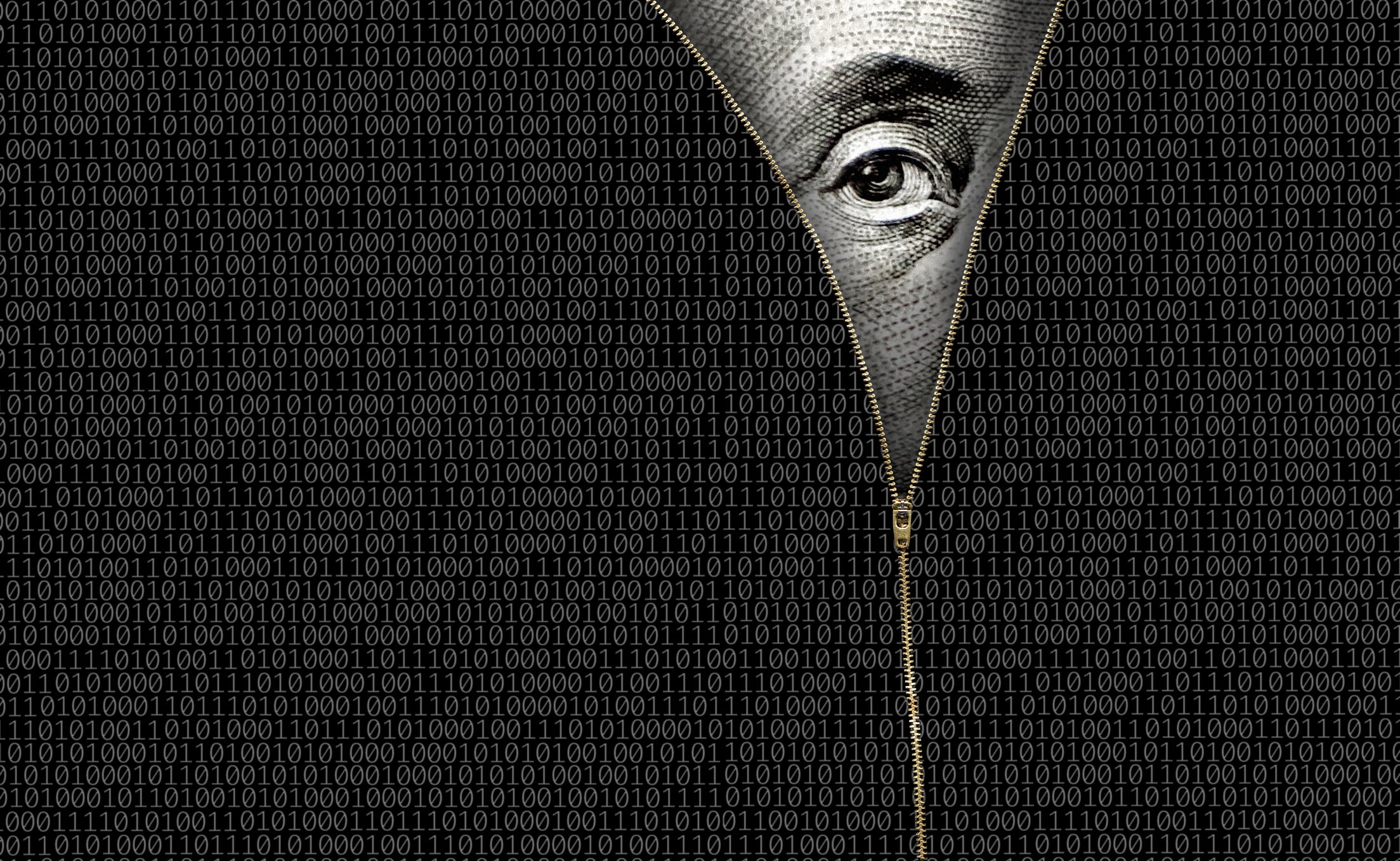
The bond market—a shadowy, often misunderstood world of debt traders—flexed its extraordinary power over American government policy this week, forcing President Trump to abruptly pause his sweeping tariff regime within a day of implementation. The episode revealed what financial insiders have long understood…
April 10, 2025, 9:20 am
By Greg Brailsford
The bond market—a shadowy, often misunderstood world of debt traders—flexed its extraordinary power over American government policy this week, forcing President Trump to abruptly pause his sweeping tariff regime within days of implementation. The episode revealed what financial insiders have long understood: bond traders function as America’s unofficial but immensely powerful “fourth branch of government.”
Far from the spotlight of cable news and social media, these traders collectively wield more influence over economic policy than most elected officials. Through their buying and selling decisions, they can effectively veto presidential policies, override Congressional budgets, and force dramatic government reversals—all without casting a single vote.
“I used to think that if there was reincarnation, I wanted to come back as the president or the pope,” James Carville, Bill Clinton’s political strategist, once famously remarked. “But now I would like to come back as the bond market. You can intimidate everybody.”
This week’s events proved Carville right once again.
The Bond Market Veto
When President Trump implemented sweeping new tariffs—including a 125% tariff on Chinese goods and “reciprocal” tariffs up to 32% on various other countries—he declared his policy would “NEVER CHANGE.”

One week later, the policy changed.
What happened? The bond market revolted. In a stunning sell-off, traders dumped U.S. government debt, driving the 10-year Treasury yield from 3.9% to 4.5% in just days. This spike represented billions in additional borrowing costs for the federal government.
Kevin Hassett, Director of the U.S. National Economic Council, acknowledged in a CNBC interview that while the tariff pause was already being considered, the volatility in the bond market added “a little more urgency” to the decision.
Sources close to the administration were more direct, telling CNN that “the growing alarm inside the Treasury Department over developments in the bond market was a central factor in Trump’s decision to hit pause on his ‘reciprocal’ tariff regime.”
Trump himself admitted to watching the turmoil: “The bond market is very tricky, I was watching it. The bond market right now is beautiful. But yeah, I saw last night where people were getting a little queasy.”
What Are Bonds and Why Do They Matter?
To understand how bond traders could force a presidential policy reversal, it’s essential to understand what bonds are and how they function.
When the federal government needs money beyond what it collects in taxes—which is virtually always—it issues bonds. These are essentially IOUs that promise to repay the borrowed amount (the principal) with interest over time. The U.S. currently has over $34 trillion in outstanding debt, making the Treasury market the largest and most liquid government securities market in the world.
Bonds are traded on the open market, with prices fluctuating based on demand. When demand for bonds falls—as happened during the tariff crisis—their prices drop. Because of the inverse relationship between bond prices and yields, lower prices automatically translate to higher interest rates for government borrowing.
These higher rates mean the government must pay more to service its debt. With America’s massive debt load, even small increases in interest rates can translate to billions of additional dollars in annual interest payments.
“When the bond market sneezes, the economy catches pneumonia,” explains financial analyst Sarah Chen. “Government bonds are supposed to be the safest investments in the world. When investors start dumping them, it signals a fundamental loss of confidence.”
The Bond Vigilantes Ride Again
The traders who sold off U.S. bonds following the tariff announcements are sometimes called “bond vigilantes”—a term coined by economist Ed Yardeni in the 1980s to describe investors who punish governments for policies they view as fiscally irresponsible.
“If the fiscal and monetary authorities won’t regulate the economy, the bond investors will,” Yardeni explained. “The economy will be run by vigilantes in the credit markets.”
The April bond sell-off was remarkable for several reasons. Typically, U.S. Treasury bonds function as a “safe haven” during market turmoil, with investors rushing to buy bonds when stock markets fall. But during the tariff crisis, bonds sold off alongside stocks—an unusual correlation that signaled deeper concerns.
Mohammed El Erian, chief economic advisor at Allianz, noted an “erosion” of bonds being seen as a safe haven. George Saravelos, global head of FX research at Deutsche Bank, stated more bluntly that investors had “lost faith in US assets.”
The sell-off was so severe that some analysts suggested the Federal Reserve might need to intervene with emergency purchases of U.S. Treasuries to stabilize the market—similar to what the Bank of England did following the UK’s “Mini-Budget” crisis in 2022.
How Bond Traders Influence Government
Bond traders exert influence through several powerful mechanisms:
First, they directly impact government borrowing costs. When traders sell bonds, interest rates rise, increasing the cost of new government borrowing and refinancing existing debt.
Second, they send powerful market signals that shape broader economic conditions. Bond market turbulence can spill over into stock markets, currency values, and consumer interest rates—affecting everything from mortgage rates to retirement accounts.
Third, they influence inflation expectations, which in turn affect monetary policy decisions by the Federal Reserve. If bond traders believe government policies will lead to inflation, they demand higher yields, potentially forcing central banks to raise interest rates.
Fourth, they create political pressure through market volatility. Few things terrify politicians more than plunging markets and economic instability that could be blamed on their policies.
This influence extends beyond domestic borders. Major foreign holders of U.S. debt, such as China (with approximately $759 billion in U.S. bonds) and Japan, can exert additional pressure by adjusting their holdings. During the recent tariff crisis, there was speculation that these countries might be selling some of their U.S. bonds in response to the trade policies.
The international dimension adds another layer of complexity to bond market dynamics. As Lawrence Summers, former Treasury Secretary, noted after the tariff pause: “The bond market has reminded Washington that there are limits to policy experimentation, even for the world’s largest economy.”
A Pattern of Bond Market Power
The tariff retreat wasn’t the first time bond traders have forced government policy changes.
In the 1990s, the Clinton administration had to pivot from its planned spending programs toward fiscal restraint and deficit reduction after negative bond market reactions.
During the European Sovereign Debt Crisis (2010-2012), countries like Greece, Italy, Spain, and Portugal faced severe pressure from bond markets as yields on their government debt soared to unsustainable levels, forcing them to implement austerity measures.
In 2022, UK Prime Minister Liz Truss resigned after just 45 days in office following a bond market revolt against her “mini-budget” featuring unfunded tax cuts. The gilt market reaction was so severe that the Bank of England had to intervene to prevent a financial collapse.
While the United States has more flexibility than most countries due to the dollar’s status as the world’s reserve currency, the recent tariff episode demonstrates that even America is not immune to bond market discipline.
Democratic Governance Questions
The extraordinary influence of bond traders raises important questions about democratic governance.
Bond traders are not elected and not directly accountable to the public, yet they can effectively veto policies supported by democratically elected officials. This creates what some critics call an “accountability gap” in the policy-making process.
“There’s a fundamental tension between market discipline and democratic choice,” explains political economist Dr. James Reynolds. “While markets can promote fiscal responsibility, they can also constrain legitimate policy choices that have democratic support.”
The mechanisms through which bond traders influence policy are not always transparent to the public, potentially undermining democratic deliberation about policy alternatives. Most citizens don’t understand bond market dynamics, making it difficult for them to evaluate whether market reactions reflect legitimate economic concerns or the narrow interests of financial actors.
For countries with significant foreign ownership of their debt, bond market influence can even raise questions about national sovereignty. When foreign investors can effectively veto domestic policy choices, a country’s ability to determine its own economic course may be compromised.
The Bond Market Reality
Whether we like it or not, the bond market’s role as an unofficial “fourth branch of government” reflects the reality of modern economic governance. Through their collective actions, bond traders create powerful constraints on government action, sometimes forcing dramatic policy reversals as demonstrated by the recent tariff delay.
Understanding this dynamic is essential for citizens seeking to comprehend how economic policy is really made in America. While the Constitution established three branches of government, the modern reality includes a fourth branch that operates not in Washington’s halls of power, but in the trading floors and computer terminals of Wall Street and beyond.
As this week’s tariff episode demonstrated, when this fourth branch speaks, presidents listen—even when they insist their policies will “NEVER CHANGE.”
Was this article of value?
We are an reader-supported publication with no paywalls or fees to read our content. We rely instead on generous donations from readers like you. Please help support us.