
Caught on Camera: How Some RI Cities Turn Commuters into Revenue
Pawtucket’s speed cameras generated over $4 million last year, yet public records reveal the city never conducted traffic studies to justify the speed limits. With enforcement running hours after school ends, and student injury rates unchanged, is this true safety or a predatory hidden tax on working-class commuters?
December 18, 2025, 12:25 pm
By Uprise RI Staff
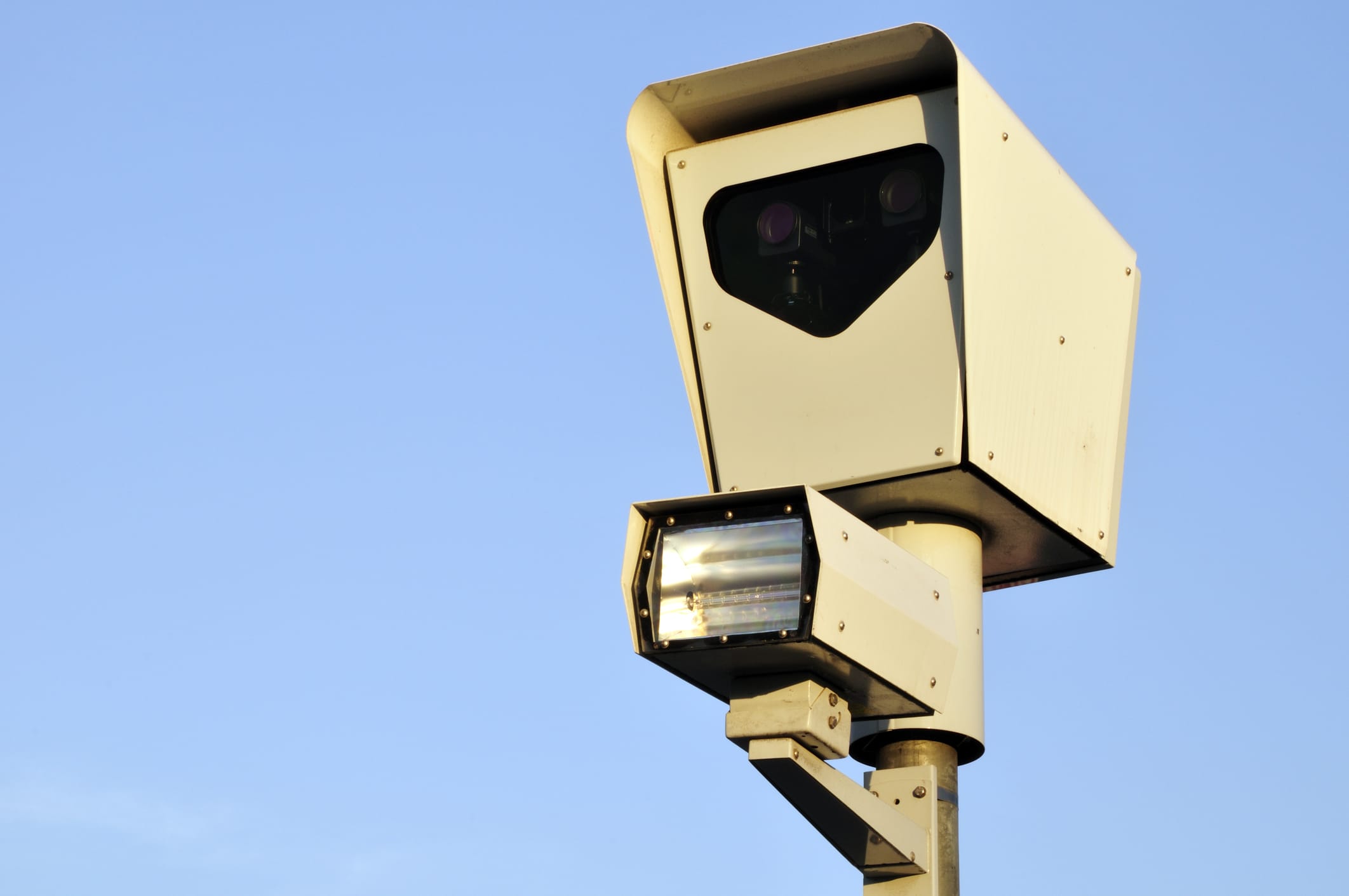
In Pawtucket, the flash of a traffic camera has arguably become as common as the morning commute, and for the city’s coffers, it is proving to be incredibly lucrative. While speed camera citations have declined in Providence and East Providence, Pawtucket stands as an outlier, expanding its network and generating over $4.1 million in revenue for the 2024-2025 school year alone.
According to data obtained by the NBC 10 I-Team, Pawtucket retains 86% of the profit from citations issued by operator Sensys Gatso. Police Chief Tina Goncalves defended the program, stating, “It’s an extra tool the police department can use to ensure the safety of the citizens,” noting that 80% of citations go to out-of-town drivers.
However, an investigation into the mechanics of these programs reveals a divide between stated safety goals and operational realities. Public records requests submitted by Uprise RI reveal that traffic studies – standard engineering practices used to determine safe travel speeds – were never conducted on any road where a speed camera currently operates prior to installation.
Without technical data, speed limits in these zones appear to be based on arbitrary assessments rather than median travel speeds or road geometry. This is starkly illustrated at the border between Pawtucket and Attleboro, Massachusetts. In Attleboro, limits reflect natural traffic flow, whereas nearly identical roadways in Pawtucket carry posted limits up to 20mph lower. Critics argue this discrepancy traps drivers who are operating vehicles safely at the 85th percentile speed but find themselves ticketed by automated systems.
The National Motorists Association (NMA) suggests that when cities rely on cameras rather than engineering, “proper safe driving speeds are often higher than the posting limit resulting in confusion and angst.” The NMA further notes that cities focusing on engineering fixes—such as road design and signal timing – consistently see better safety outcomes than those relying on ticketing.

The definition of a “school zone” has also drawn scrutiny. In Rhode Island, these cameras operate until 6:00 p.m., hours after most schools have emptied around 3:00 p.m. This timing catches rush-hour commuters rather than protecting active student populations. Significantly, data indicates that the number of students and teachers struck and injured by motor vehicles in these camera zones has remained unchanged at zero since the cameras were erected.
The economic ripple effects extend beyond fines. In public forums and on social media platforms like Reddit and Twitter, residents have voiced reluctance to patronize local businesses situated near camera zones, citing the risk of strict automated ticketing as a deterrent.
Despite the controversy, compliance remains high. Although municipalities lack robust enforcement mechanisms to compel payment for civil violations issued by third-party vendors, Uprise RI obtained public records showing that over 90% of drivers have paid the fines.
As Warwick joins Pawtucket and East Providence in utilizing these systems—generating $82,340 in a single month from red-light violations – the debate over whether these programs constitute a safety measure or a hidden tax continues. While Pawtucket officials point to reduced speeds, the absence of prior traffic studies and the continued lack of injury data in these zones suggest that revenue, rather than road safety, acts as the primary driver of automated enforcement.
Was this article of value?
We are an reader-supported publication with no paywalls or fees to read our content. We rely instead on generous donations from readers like you. Please help support us.