

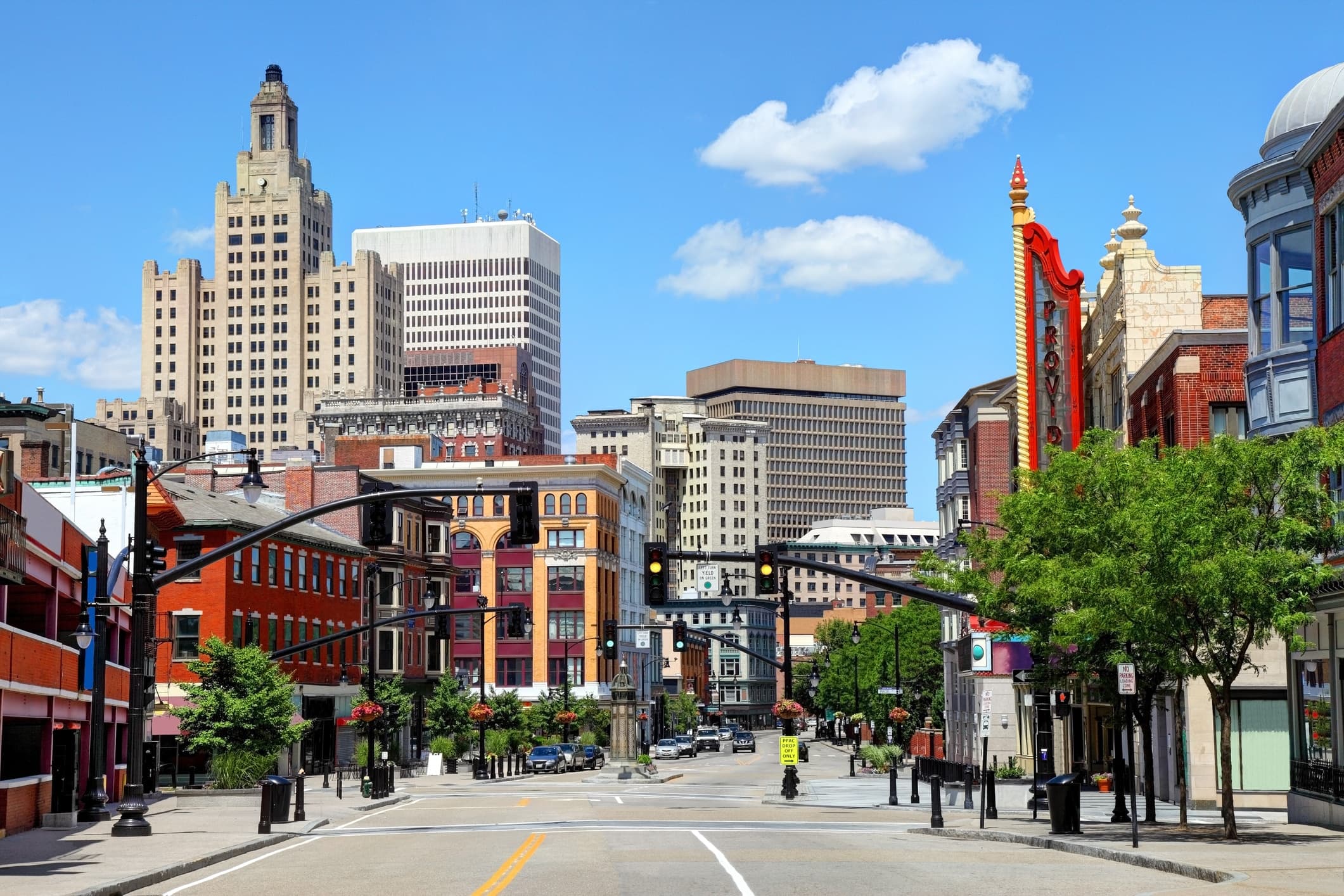
City leaders have unveiled the finalized Comprehensive Plan that sets the stage for the next decade and beyond. This ambitious blueprint addresses the city's most pressing challenges and lays out strategies to harness opportunities across various sectors. From housing and economic development to sustainability and transportation, the Plan aims to create a Providence that is vibrant, inclusive, and resilient.
In this piece, we examine the potential impacts on residents, highlight areas of debate, and provide a comprehensive understanding of what this means for the future of Providence.
A Vision Grounded in Community Collaboration
Community Participation at its Core
One of the standout aspects of the Comprehensive Plan is the extensive community participation that shaped it. Over two years, the Department of Planning and Development (DPD) conducted more than 80 community events, ensuring that voices from every neighborhood were heard. This collaborative approach is evident throughout the Plan, which reflects the diverse needs and aspirations of Providence's residents.
Key Components of the Vision:
- Dynamic, Equitable Growth: The Plan envisions Providence growing in a way that supports and empowers existing communities while welcoming new ones.
- High Quality of Life: Emphasizing affordability, sustainability, and cultural vibrancy as cornerstones of the city's future.
- Holistic Development: Addressing interconnected issues across nine areas, including housing, economic development, and the environment.
Addressing the Housing Crisis: A Multifaceted Approach
Current Housing Landscape
Providence faces a significant housing challenge, characterized by a shortage of affordable units and a growing population. According to the Plan, between 2010 and 2020, median rents increased by 37%, while household incomes rose by just 11%. Nearly half of all renters are cost-burdened, spending more than 30% of their income on housing.
Key Strategies in the Plan
1. Zoning Reforms to Increase Housing Supply
- Accessory Dwelling Units (ADUs): The Plan proposes allowing ADUs in all residential zones. This means homeowners could convert garages or basements into rental units, providing additional housing options and potential income streams. Example: A homeowner in the Elmhurst neighborhood could legally convert their detached garage into a small apartment, offering affordable housing to a single tenant or couple.
- "Missing Middle" Housing: Introducing diverse housing types like duplexes, triplexes, and small apartment buildings in appropriate areas. This aims to fill the gap between single-family homes and large apartment complexes. Example: Along transit corridors like Broad Street, new three-story buildings with ground-floor retail and apartments above could be developed, enhancing the neighborhood's vibrancy.
2. Incentives for Affordable Housing Development
- Density Bonuses: Developers could receive permission to build additional units beyond what zoning typically allows if they include a certain percentage of affordable housing. Example: In the Smith Hill area, a developer might be allowed to build a five-story apartment building instead of four stories if they designate a portion of the units as affordable to households earning below the median income.
3. Preservation and Rehabilitation of Existing Housing
- Historic Building Conversion: Encouraging the adaptive reuse of historic non-residential buildings into housing. Example: The repurposing of an old factory in the Valley neighborhood into loft-style apartments, preserving the building's industrial character while providing new housing units.
Points of Contention
Neighborhood Character and Density
Some residents express concerns that increased density could alter the fabric of their neighborhoods. The Plan acknowledges this and emphasizes design standards to ensure new developments are in scale with existing buildings.
Pros:
- Increased Housing Options: More diverse housing types can accommodate different family sizes and income levels.
- Economic Benefits: Construction activity and increased population density can boost local businesses.
Cons:
- Potential Overcrowding: Without proper infrastructure, increased density could strain public services.
- Parking and Traffic Issues: More residents may lead to more cars on the streets, exacerbating parking shortages.
Pioneering Sustainability and Resilience Efforts
Environmental Challenges Facing Providence
Providence's location along the coast and rivers makes it susceptible to climate change impacts, including sea-level rise, increased flooding, and extreme weather events. The Plan identifies "frontline communities" such as Olneyville and South Providence as areas particularly vulnerable due to historical environmental injustices.
Comprehensive Strategies for a Sustainable City
1. Climate Justice Initiatives
- Implementing the Climate Justice Plan: Developed in partnership with the Racial Environmental Justice Committee, this plan centers equity in addressing climate change. Example: Introducing community-owned solar projects in lower-income neighborhoods, reducing energy costs for residents.
2. Infrastructure Improvements
- Green Stormwater Infrastructure: Installing bioswales, rain gardens, and permeable pavements to manage stormwater and reduce urban flooding. Example: Along the Woonasquatucket River, creating green spaces that absorb floodwaters while providing recreational areas.
- Upgrading Flood Protection Structures: Assessing and enhancing infrastructure like the Fox Point Hurricane Barrier to protect against storm surges.
3. Reducing Reliance on Fossil Fuels
- Phasing Out Fossil Fuel Facilities: The Plan proposes transitioning the Port of Providence away from fossil fuel imports and storage, in line with state decarbonization mandates. Example: Encouraging the development of offshore wind energy facilities in the port area to replace existing oil storage terminals.
4. Enhancing Air Quality
- Monitoring and Enforcement: Strengthening air quality monitoring in areas near industrial operations and enforcing regulations to reduce emissions. Example: Implementing stricter controls on truck idling near the port and incentivizing the use of electric delivery vehicles.
Debated Elements
Economic Implications for Industry
Businesses in the industrial sectors, particularly those operating in the Port of Providence, may face increased costs due to stricter environmental regulations and the push to transition away from fossil fuels.
Balancing Act:
- Environmental Benefits: Improved air and water quality, better health outcomes for residents, and alignment with global climate goals.
- Economic Challenges: Potential job losses or relocation of businesses if they cannot adapt to new regulations.
Stimulating Economic Development and Equity
Current Economic Snapshot
Providence's economy is diversifying, with growth in sectors like health, life sciences, and tourism. However, disparities persist, with wealth gaps along racial and socioeconomic lines.
Strategic Economic Initiatives
1. Fostering Emerging Industries
- Blue Economy Development: Leveraging the city's waterfront to attract industries related to marine technology and offshore wind. Example: Establishing an innovation hub in the I-195 Redevelopment District focused on oceanographic research and sustainable fishing technologies.
- Life Sciences Expansion: Supporting biotech startups and research institutions. Example: Partnering with Brown University and local hospitals to create research facilities that attract talent and investment.
2. Supporting Small and Micro Businesses
- Providence Business Loan Fund: Providing low-interest loans to local entrepreneurs, with a focus on minority-owned businesses. Example: A Latino-owned restaurant in the West End receives funding to expand its kitchen and add outdoor seating, boosting its capacity and creating jobs.
- Streamlining Permitting Processes: Simplifying bureaucratic procedures to reduce barriers for small businesses.
3. Investing in Workforce Development
- Career and Technical Education (CTE) Programs: Linking industry partners with public schools to provide training in high-demand fields. Example: A program where high school students intern with local tech firms, gaining hands-on experience that prepares them for post-graduate employment.
- First Source Program Enhancement: Ensuring that new jobs created through city projects prioritize Providence residents.
Points of Debate
Tax Incentives and TSAs
Tax Stabilization Agreements (TSAs) offer tax breaks to developers and businesses as an incentive to invest in the city. Critics argue that TSAs reduce immediate tax revenue and may not guarantee long-term benefits to residents.
Pros:
- Attracting Investment: TSAs can make Providence more competitive in drawing businesses that might otherwise choose other cities.
- Job Creation: New developments can create employment opportunities.
Cons:
- Loss of Revenue: Reduced tax income can impact city services and budgets.
- Equity Concerns: Benefits may not reach underserved communities if not properly managed.
Reimagining Land Use and Preserving Providence's Character
Key Land Use Reforms
1. Simplifying Zoning Districts
- Merging C-1 and C-2 Zones: The Plan recommends combining these commercial zones to reduce complexity and facilitate development along major corridors like North Main Street and Elmwood Avenue.
2. Encouraging Mixed-Use Developments
- Transit-Oriented Development (TOD): Promoting higher-density, mixed-use projects near transit hubs to reduce reliance on cars and foster walkable communities. Example: Developing multi-story buildings near the Olneyville transit center with shops on the ground floor and apartments above.
3. Historic Preservation Initiatives
- Expanding Historic Districts: Proposing new local historic districts to protect architecturally significant areas. Example: Adding parts of the South Side to the Providence Landmarks District to safeguard historic homes and cultural sites.
- Adaptive Reuse Incentives: Offering support for converting old schools or factories into residential or community spaces.
Controversies and Considerations
Potential Impact on Development Costs
Stricter design regulations and preservation requirements could increase the cost of construction and renovation.
Pros:
- Cultural Preservation: Maintaining the historic charm that makes Providence unique and attracts tourism.
- Sustainable Practices: Reusing existing structures reduces environmental impact compared to new construction.
Cons:
- Financial Barriers: Higher costs may discourage investment or lead to increased housing prices.
- Regulatory Hurdles: Developers might face longer approval processes.
Reinventing Mobility: Connecting People and Places
Transportation Challenges
Providence aims to create a transportation system that reduces congestion, lowers emissions, and provides equitable access. The city's reliance on cars contributes to traffic issues and environmental concerns.
Proposed Transportation Enhancements
1. Expanding Public Transit
- Improving Bus Services: Collaborating with RIPTA to enhance frequency and coverage, particularly on the R-Line, which serves major corridors from Pawtucket to Cranston. Example: Introducing bus-only lanes and priority signaling to reduce travel times.
- Downtown Transit Connector (DTC): Implementing a high-frequency shuttle connecting key destinations like hospitals, colleges, and business districts.
2. Promoting Active Transportation
- Urban Trail Network: Developing 70 miles of urban trails for safe walking and biking. Example: Extending the Woonasquatucket River Greenway to connect residential areas with Downtown.
- Bike Share Programs: Expanding stations and improving infrastructure to support cycling.
3. Reducing Parking Minimums
- Adjusting Zoning Requirements: Eliminating or reducing mandatory parking provisions in new developments to encourage alternative transportation use.
Community Reactions
Parking and Accessibility Concerns
Residents in some neighborhoods worry that reducing parking requirements will exacerbate existing parking shortages, especially in areas without robust public transit options.
Pros:
- Environmental Benefits: Fewer cars on the road can lead to reduced emissions.
- Health Advantages: Encouraging walking and biking promotes physical activity.
Cons:
- Inconvenience for Drivers: Residents who rely on cars may find parking more challenging.
- Implementation Costs: Infrastructure projects require significant funding and planning.
Nurturing Arts, Culture, and Public Spaces
Cultural Significance
Providence's identity as the "Creative Capital" is a vital part of its economy and community life. The arts sector contributes over $200 million annually and enhances the city's appeal.
Initiatives to Support Arts and Culture
1. Affordable Spaces for Artists
- Creative Zoning: Allowing for live-work spaces and affordable studios in underutilized buildings. Example: Converting vacant warehouses in the Jewelry District into artist lofts.
- Supporting Cultural Hubs: Investing in areas like the Southside Cultural Center to provide venues for performances and exhibitions.
2. Public Art and Events
- Expanding Festivals: Building on successful events like PVDFest to showcase local talent and attract visitors.
- Art in Public Places: Incorporating murals, sculptures, and installations throughout the city.
3. Educational Partnerships
- STEAM Programs: Integrating arts into STEM education to foster creativity and innovation in schools.
Considerations and Challenges
Gentrification Risks
As arts districts become more popular, property values can rise, potentially displacing artists and long-time residents.
Pros:
- Economic Growth: Arts and culture drive tourism and support local businesses.
- Community Engagement: Cultural activities enrich residents' lives and foster community pride.
Cons:
- Affordability Concerns: Without safeguards, the very artists who contribute to a neighborhood's vibrancy may be priced out.
Shaping Providence's Future Together
The Providence Comprehensive Plan represents a significant effort to chart a course for the city's future that is inclusive, sustainable, and prosperous. It acknowledges the complex challenges facing Providence and proposes comprehensive strategies to address them.
Ongoing Community Engagement
The Plan's success depends on continued collaboration between city officials, residents, businesses, and other stakeholders. Public feedback will be crucial as policies are implemented and adjusted over time.
Opportunities for Involvement:
- Public Meetings and Workshops: Residents can participate in discussions and provide input on specific initiatives.
- Community Organizations: Engaging with local groups that align with your interests, whether it's housing, environmental issues, or the arts.
- Staying Informed: Keeping up with developments through city communications and local media.
A Collective Effort
By embracing the vision laid out in the Comprehensive Plan and actively participating in its realization, Providence residents have the opportunity to shape a city that reflects their values and meets their needs. The challenges are significant, but so are the possibilities for creating a vibrant, equitable, and resilient Providence for generations to come.
For more detailed information on the Providence Comprehensive Plan, residents are encouraged to visit the city's official website or contact the Department of Planning and Development directly.