


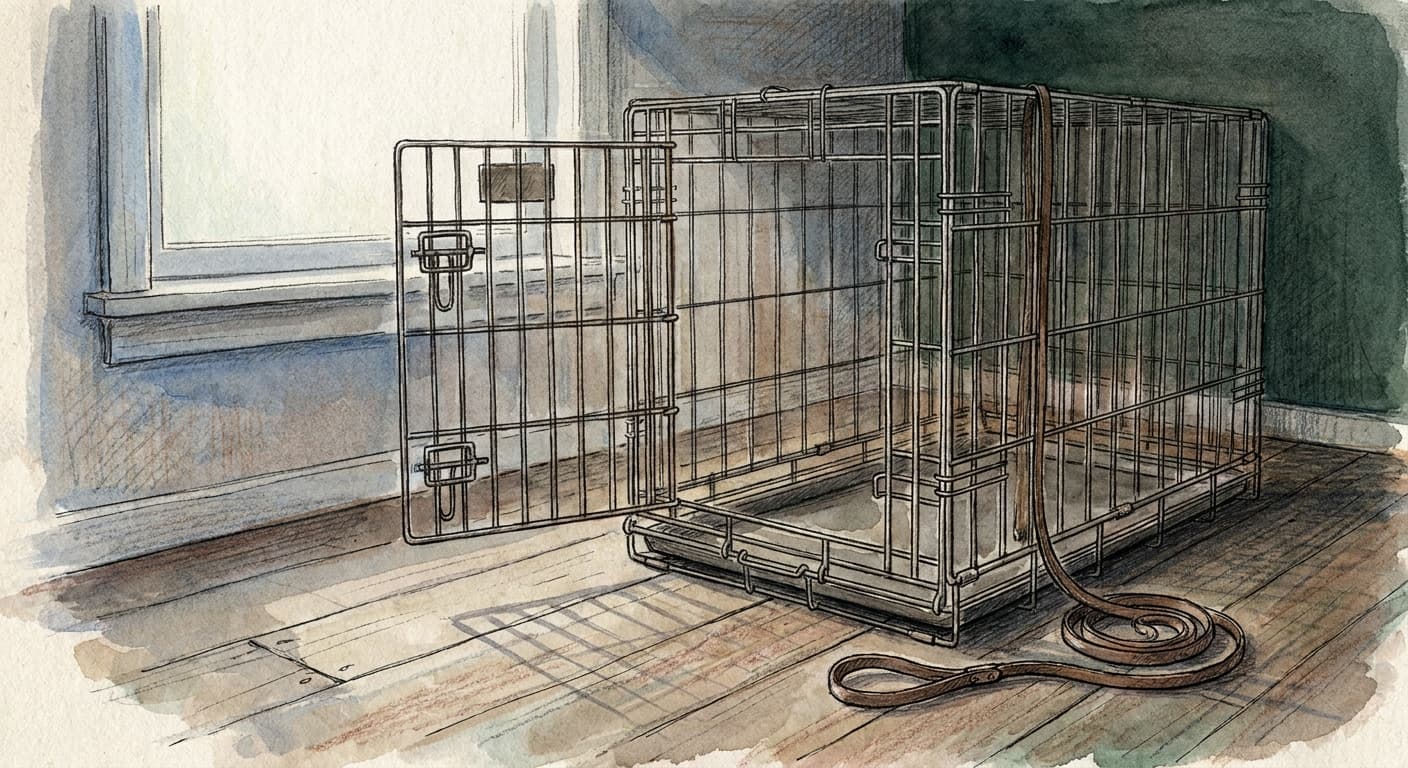
Until last month, only the Rhode Island Society for the Prevention of Cruelty to Animals could lawfully take charge of an abused, neglected, or abandoned animal in Rhode Island. Municipal animal control officers — the officials most likely to be first at the scene — could observe suffering but had to wait for the state's single sanctioned enforcement authority to act.
That changed on June 10, when Governor Dan McKee signed H7562 into law. The measure, sponsored by Sen. Lori Urso, a Pawtucket Democrat, and Rep. Matthew S. Dawson, a Democrat representing East Providence and second vice chair of the House Judiciary Committee, adds municipal animal control officers to the short list of officials authorized to take charge of animals found abandoned, neglected, injured, or cruelly treated.
The bill moved through the General Assembly without a single dissenting vote. The House passed it 69-0 on April 30, and the Senate concurred 36-0 on June 4 before transmitting it to the governor.
The change is narrower than it may sound, and the distinction matters. The law grants seizure authority to municipal animal control officers, not to shelters themselves. Most Rhode Island shelters — the Potter League for Animals, the RISPCA, the Providence Animal Rescue League — are private nonprofits. Officers who seize an animal may house it at a contracted facility, but the legal power to remove the animal rests with the officer.
Urso framed the bill as a response to a documented failure in her own city. "Sadly, in Pawtucket, we have seen the same individuals coming through court two or three times for these same misdeeds, somehow able to get more dogs or cats," she said. She has signaled she intends to pursue a separate measure barring repeat offenders from adopting again — a proposal not contained in H7562.
The law does not strip owners of recourse. An owner has sixty days after receiving notice of a seizure to petition the district court for the animal's return. At the hearing, the court weighs the animal's condition, the level of care it needs, and the owner's ability to provide safe care — proceedings that run independently of any criminal charges, which can take months or years to resolve. If the court finds the owner can provide or arrange adequate care, it may restore custody under conditions it deems appropriate.
That separation of custody from criminal proceedings is the practical core of the change: an animal's fate need no longer wait on a verdict.
On the question of who pays for an animal's care while it is held, the law builds on ground already staked out. Under existing state law, when the RISPCA takes charge of an animal, all reasonable expenses for its care and treatment must be paid by the owner or guardian, and the society may bring a civil action for those costs thirty days after sending a written demand for payment that goes unmet. The statute caps that exposure: the amount billed must be "reasonable and related to equivalent services" provided by veterinary and boarding operations in the state, and the written demand must warn that non-payment may result in forfeiture of the animal.
Devan Massie, executive director of the Friends of the Pawtucket Animal Shelter, praised the sponsors. "They answered the call for Rhode Island's animals and that's an incredible thing," she said.
The Potter League for Animals, the state's oldest animal welfare nonprofit, backed the bill through the process; its chief executive, Brad Shear, testified in favor at the House Municipal Government and Housing Committee hearing on February 11. The committee held the measure for further study before recommending passage on April 15.
The law took effect upon the governor's signature. How individual municipalities train and supervise the officers now wielding this authority — and how consistently it is applied across the state's cities and towns — will be tested in the field over the months ahead.