


The West Warwick Town Council spent a lengthy stretch of its Tuesday meeting weighing new rules for backyard chicken coops, after claims that hen houses are contributing to rodent problems around town, according to the West Warwick Town Council's published meeting recording. No ordinance was introduced and no vote was taken; the council asked staff to gather more information before deciding whether to tighten the town's decade-old hen-keeping rules.
The issue grew out of an earlier council conversation about rodent infestations, during which someone raised the idea that chicken coops could be a factor. A town official told the council that research into the town's options had been distributed to members the day before the meeting.
That review found the town has no way of knowing how many coops actually exist. "There's nothing registered. There's nothing," the official said, adding that animal control, not the building department, is generally responsible for enforcing sanitary conditions once a coop is in place.
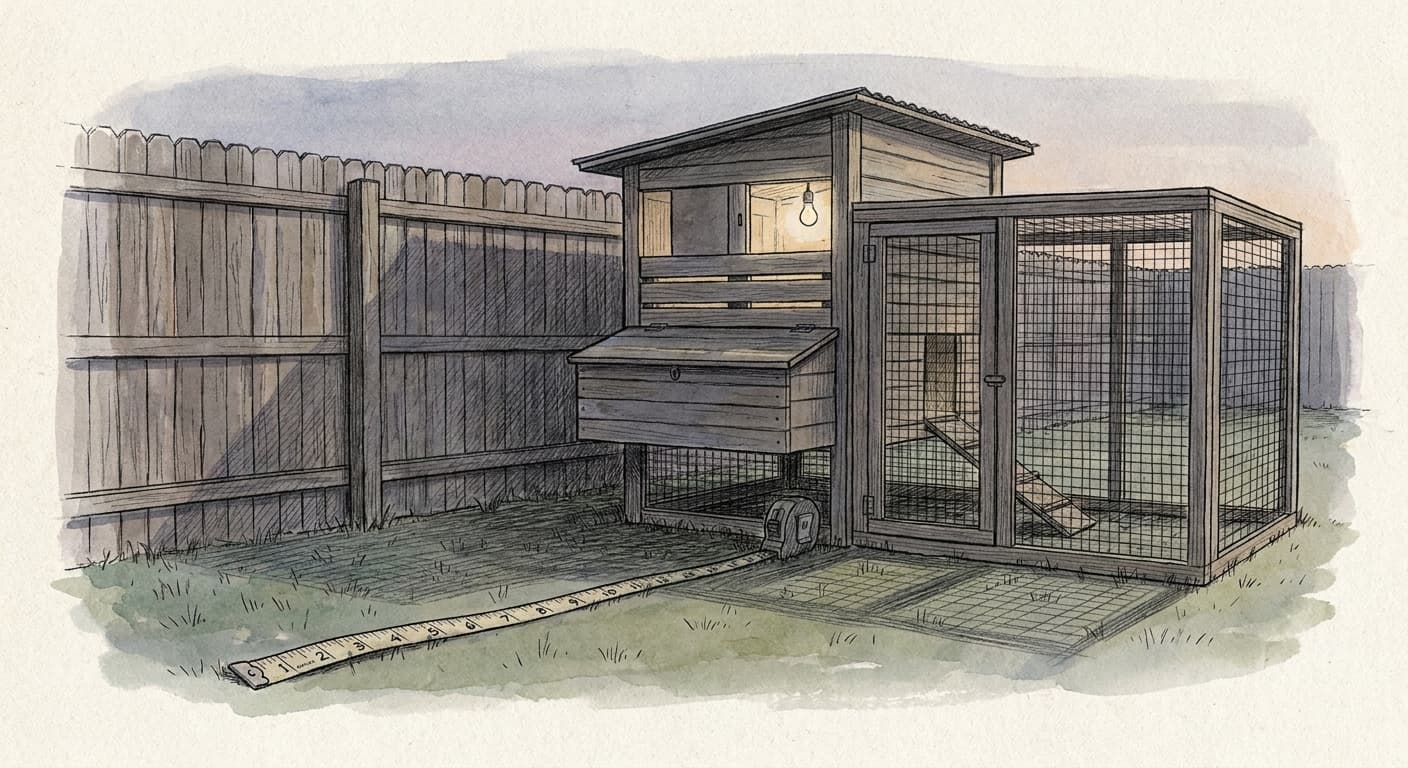
The town's current rules, adopted in 2012, allow up to 12 hens per residential lot, with roosters banned outright. The hen owner must live at the property. Coops need a building permit only if larger than 200 square feet and an electrical permit if wired for power. The ordinance also requires a predator-resistant hen house and fenced outdoor enclosure, at least two square feet of space per hen, a permeable surface to prevent waste runoff, and composting of manure in enclosed bins.
What prompted new urgency, according to the discussion, was fire data: the town has had three chicken-coop-related fires in 2026 alone, one tied to an electrical problem, one to a heat lamp knocked over by wind that ignited nearby material, and one to a blanket left smoldering on top of a heat lamp. Several council members said that number surprised them, given how few coops they assumed existed in town.
Council members did not agree on whether coops are actually driving rat complaints. One member argued that clean coops, regardless of size limits, are the real variable, pointing to a well-maintained coop kept by a neighbor as evidence that enforcement matters more than the numeric hen limit. That member questioned whether the town would end up writing separate ordinances for every possible rat attractant, from trash cans to dumpsters, rather than addressing the underlying problem. Other members said the lack of any registry made it impossible to judge the scale of the issue and said they had personally fielded complaints, including about roosters, that they had not realized fell under animal control's jurisdiction.
Council members also flagged a conflict in the existing ordinance: it requires the owner of hens to reside at the property, which does not account for renters who keep chickens with a landlord's permission. One member said that provision likely needs updating regardless of how the coop debate is resolved.
The review presented Tuesday compared West Warwick's rules to those in three other Rhode Island communities. Bristol requires a special-use permit, limits coops to rear yards with a 40-foot setback, and caps hens at one per 800 square feet with a six-hen maximum. Jamestown ties hen limits to lot acreage and restricts coops to back and side yards. Warren allows up to six hens in its R-40 zoning district, requires a 20-foot setback from any dwelling, and charges a fee for a construction permit.
Council members discussed four possible paths forward: leaving the current ordinance as is; banning hen houses outright, which would raise questions about grandfathering existing coops; adding a registration or inspection process tied to animal control; or setting a minimum lot size and specific setback distance for coops. No option was adopted Tuesday, and the council asked the town solicitor to reach out to the Rhode Island clerks association for information on how other communities register or permit coops.
The council set no firm date to revisit the issue. Its next regular meeting is scheduled for August 18, though the chicken coop question was not confirmed as an agenda item for that session.