

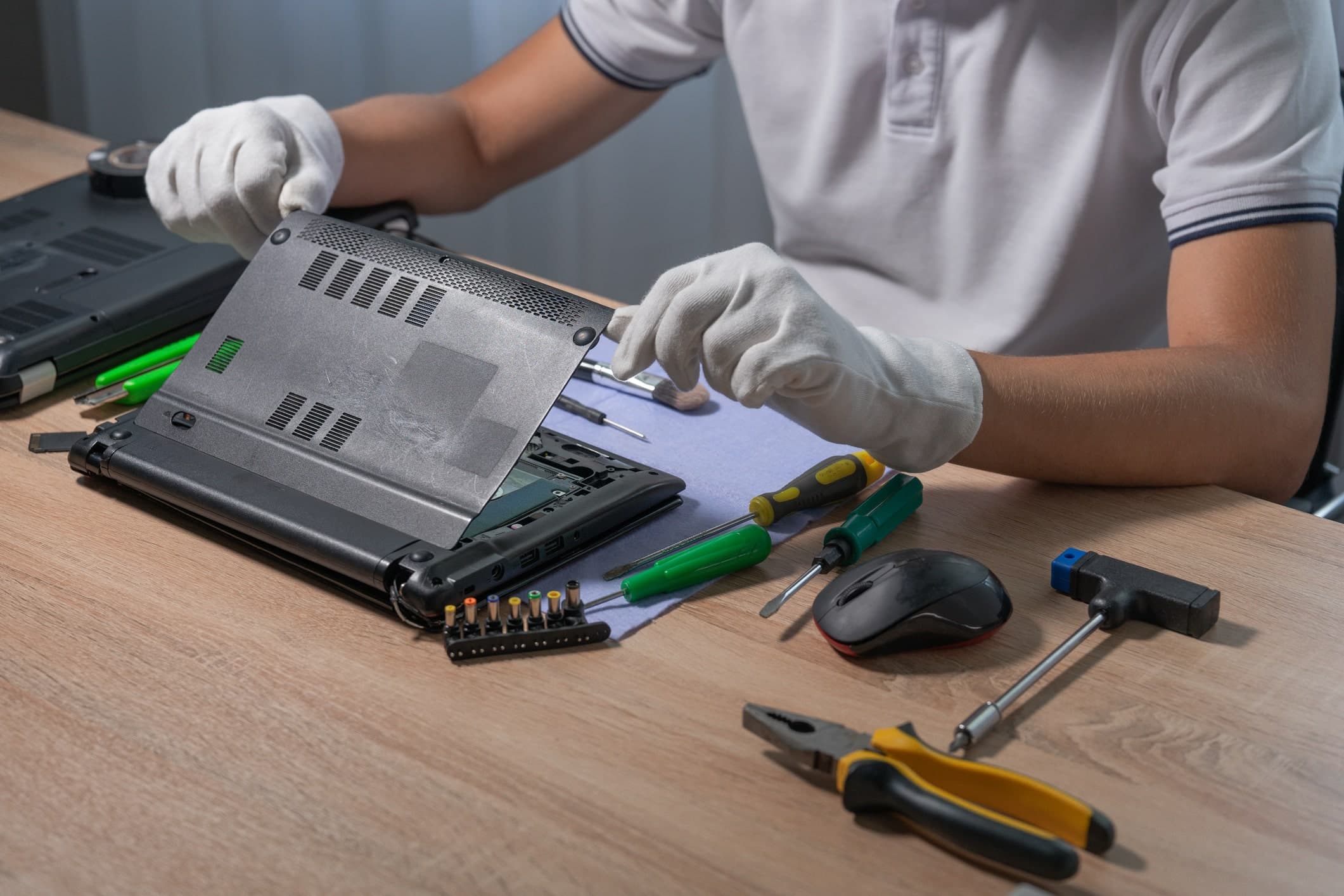
In an era where technology is increasingly integrated into our daily lives, the ability to repair and modify our own devices has become a contentious issue. Many consumers have faced the frustration of being told their warranty is void simply because they attempted a repair or added an aftermarket part. However, a recent action by the Federal Trade Commission (FTC) has brought renewed attention to consumer rights and the often-misunderstood Magnuson-Moss Warranty Act.
On July 3rd, the FTC took a stand for consumer rights by sending warning letters to eight companies regarding their warranty practices. These letters serve as a stark reminder that restricting consumers' right to repair violates federal law. But what does this mean for the average consumer, and how does it affect the products we use every day?
The Magnuson-Moss Warranty Act, enacted in 1975, is a federal law that governs consumer product warranties. Despite being nearly half a century old, many consumers - and even some companies - remain unaware of its provisions. One of the most significant aspects of this law is its stance on product repairs and modifications.
Contrary to popular belief, those ubiquitous "warranty void if removed" stickers that we often see on electronic devices are not legally binding. In fact, the FTC has made it clear that such stickers, when placed in locations that hinder routine maintenance or repairs, may violate federal law. This means that you, as a consumer, have the right to open up your devices, perform repairs, or even add modifications without automatically voiding your warranty.
But the protections don't stop there. The Magnuson-Moss Warranty Act also addresses the use of aftermarket parts. Whether you're adding a new graphics card to your gaming PC or installing an aftermarket exhaust on your car, the law is on your side. Manufacturers cannot automatically void your warranty simply because you've used parts or services not provided by them.
This protection extends to a wide range of products, from smartphones and laptops to vehicles and home appliances. It's a common misconception that using non-original parts or third-party repair services automatically voids a warranty. In reality, the burden of proof lies with the manufacturer. They must be able to demonstrate that your modification or repair directly caused the defect in question. Only then can they potentially deny warranty coverage for that specific issue.
The FTC's recent action targeted companies across various industries, including air purifier sellers, treadmill manufacturers, and companies selling gaming PCs and accessories. This diverse range of products underscores the widespread nature of potentially illegal warranty practices and the need for consumer awareness.
For instance, some companies were warned about statements implying that consumers must use specified parts or service providers to maintain their warranty. Unless these parts or services are provided free of charge, or the company has received a waiver from the FTC, such requirements are generally prohibited under the Magnuson-Moss Warranty Act.
So, what does this mean for you, the consumer? First and foremost, it's crucial to understand your rights. Don't be intimidated by warranty stickers or blanket statements about voiding warranties. If you're comfortable performing a repair or want to add a modification to your product, you have the right to do so.
However, it's important to note that while the law protects your right to repair, it doesn't absolve you of responsibility for your actions. If you damage a product while attempting a repair, or if your modification directly causes a malfunction, the manufacturer may still have grounds to deny warranty coverage for that specific issue.
The FTC's action also serves as a reminder of the importance of documenting your repairs and modifications. If a warranty dispute arises, having clear records of what you've done can help demonstrate that your actions didn't cause the problem at hand.
As consumers, we should also be aware of companies that respect our right to repair. Support businesses that provide repair manuals, sell replacement parts, and don't use scare tactics about warranty voiding. By doing so, we can encourage a marketplace that values repairability and longevity over planned obsolescence.
The right to repair movement has gained significant traction in recent years, and actions like this from the FTC demonstrate that regulators are taking notice. As we move forward, it's likely we'll see more emphasis on consumer rights in this area, potentially including clearer labeling requirements for warranties and increased scrutiny of company practices.
So the next time you see a "warranty void if removed" sticker, remember that your rights as a consumer are protected by federal law. The Magnuson-Moss Warranty Act empowers you to maintain, repair, and even modify your products without fear of automatically voiding your warranty.