

Welcome back to our ongoing series breaking down the new laws coming out of the Rhode Island State House. It’s clear the legislature spent its time focused on two of the state’s most persistent headaches: the housing crisis and the public’s right to access the shoreline. Several new bills signed into law tackle these issues head-on, representing some of the most significant state-level interventions in local affairs we’ve seen in years.
First, let's talk about housing. The General Assembly passed a sweeping zoning reform bill, H5797, that aims to clear the way for more homes. Starting January 1, 2026, accessory dwelling units (ADUs)—think in-law apartments or backyard cottages—will be a permitted use in all residential zones across the state. This means homeowners will be able to build them with a simple administrative permit, bypassing the often lengthy and expensive process of seeking a variance from a local zoning board. The same law also streamlines the process for adaptive reuse, making it easier to convert empty commercial buildings like offices, schools, and malls into apartments. Another bill, H5956, tinkers with the definition of "affordable housing." For projects not using federal funds, it raises the amount a household can spend on housing from 30% to 38% of their income for it to still count as "affordable." But does this change help create housing that people can genuinely afford, or does it just help developers meet quotas on paper?
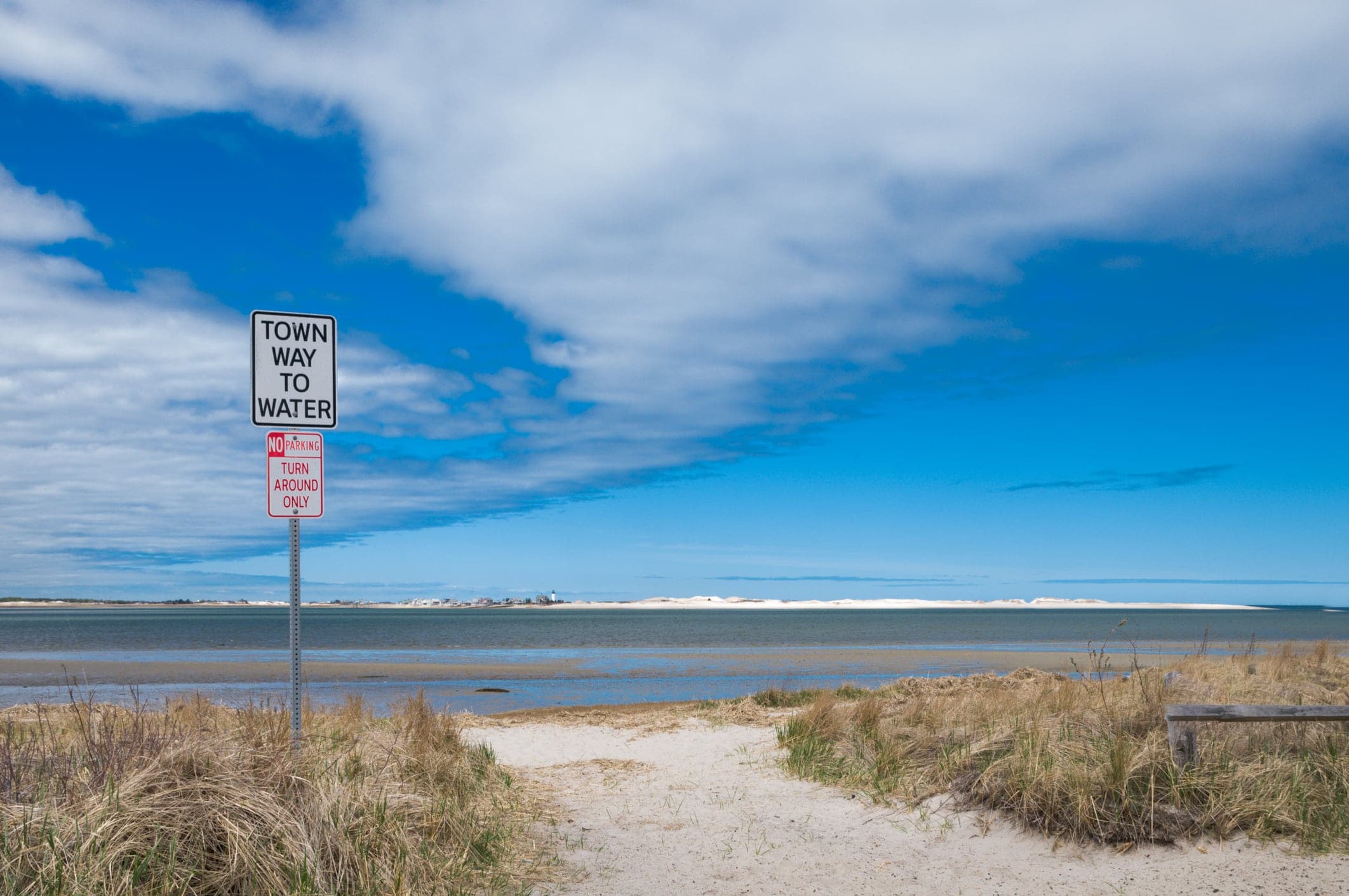
Shifting from our housing stock to our coastline, lawmakers took direct aim at the "parking wars" that have become a summer tradition. For years, advocates have argued that towns limit shoreline access by systematically removing nearby parking. A new law, S0716, puts a stop to that. Effective immediately, no municipality can reduce or restrict parking near a state-designated Coastal Resources Management Council (CRMC) right-of-way without getting approval from both the CRMC and the Department of Environmental Management. The process requires a public comment period and a plan that guarantees access for people with disabilities. Any town that flouts the rule faces a cease-and-desist order and fines of up to $5,000 per day.
These new laws show a State House willing to assert its authority on issues of statewide importance, even if it means stepping on local toes. Whether it’s mandating what kinds of homes can be built or dictating parking policy in coastal communities, the message is clear: on housing and shoreline access, the state is taking the driver's seat. Be sure to check back for our next segment, where we'll explore more new legislation you need to know about.